Texas boasts incredible snake diversity‚ necessitating a reliable field guide for safe outdoor exploration and accurate snake identification.
Understanding these reptiles is crucial as more Texans enjoy parks and natural areas‚ encountering these creatures frequently.
Why a Field Guide is Important
A comprehensive field guide is paramount for anyone venturing into the Texas outdoors‚ given the state’s diverse snake population. Accurate snake identification is not merely a matter of curiosity; it’s a safety imperative. Misidentification can lead to unnecessary fear or‚ more critically‚ a dangerous underestimation of venomous species.
With increasing numbers of Texans enjoying state parks and natural areas‚ encounters with snakes are becoming more frequent. A field guide empowers individuals to confidently distinguish between harmless and potentially harmful snakes. These guides‚ often laminated and waterproof‚ provide vital information on habitat‚ behavior‚ diet‚ and distinctive features‚ enabling informed decisions and promoting responsible coexistence with these fascinating reptiles.
Geographic Regions and Snake Diversity
Texas’s vastness encompasses diverse ecosystems‚ directly influencing its snake distribution and species richness. From the piney woods of East Texas to the arid landscapes of West Texas‚ each region supports a unique assemblage of snakes. Specialized guides cater to these areas – for example‚ guides focusing on the snakes of the Great Plains‚ North Texas‚ Central Texas‚ and South Texas.
The Trans-Pecos region‚ with its desert environment‚ hosts distinct species compared to the coastal plains. Understanding these regional variations is crucial for accurate identification. A field guide tailored to a specific area will significantly improve your ability to recognize local snakes and appreciate the state’s remarkable herpetological diversity.
Venomous Snakes of Texas: A Detailed Look
Texas harbors four venomous snake groups: Copperheads‚ Cottonmouths (Water Moccasins)‚ Rattlesnakes‚ and Coral Snakes‚ demanding careful identification and respect for safety.
Copperheads
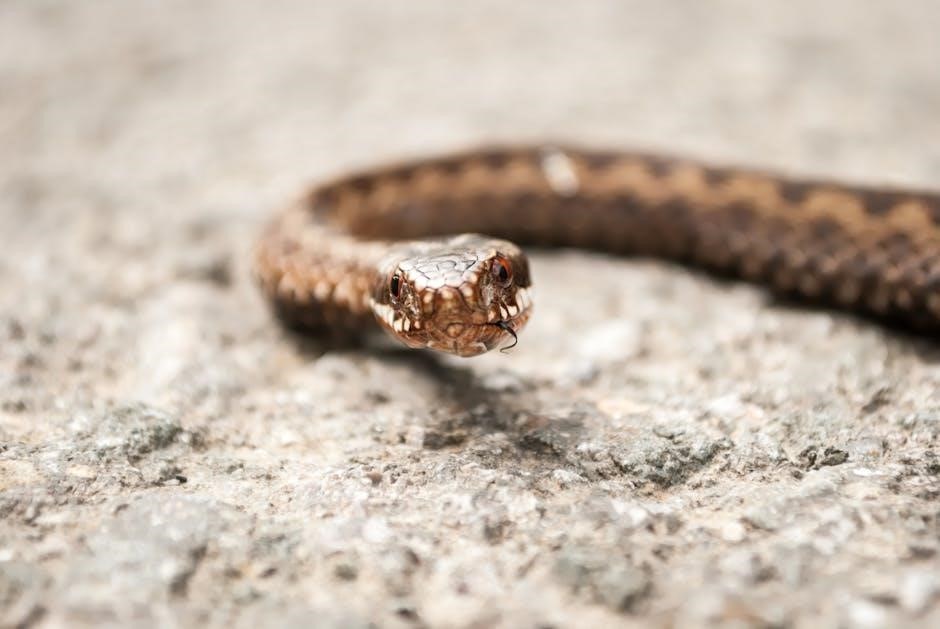
Copperheads are frequently encountered venomous snakes in Texas‚ known for their distinctive hourglass-shaped crossbands. These patterns‚ typically reddish-brown or copper-colored‚ provide excellent camouflage within wooded areas and rocky terrain. Two subspecies exist within the state: the Broadbanded Copperhead and the Trans-Pecos Copperhead.
The Broadbanded Copperhead primarily inhabits central and western Texas‚ reaching lengths of up to three feet. Conversely‚ the Trans-Pecos Copperhead resides in the southern Trans-Pecos region‚ exhibiting similar size characteristics. Both species are relatively docile‚ often relying on camouflage to avoid detection‚ but will bite if provoked or threatened. Understanding their habitat and appearance is vital for safe interactions.
Broadbanded Copperhead: Identification & Habitat
The Broadbanded Copperhead‚ Agkistrodon contortrix‚ is recognized by its prominent‚ hourglass-shaped crossbands‚ typically a reddish-brown or copper hue‚ contrasting against lighter flanks. These markings are broader than those of other copperhead subspecies. Adults generally reach lengths of two to three feet‚ possessing keeled scales and a triangular head‚ characteristic of pit vipers.
This subspecies primarily inhabits central and western Texas‚ favoring wooded areas‚ rocky hillsides‚ and riparian habitats. They are often found near streams‚ creeks‚ and other water sources. Broadbanded Copperheads are ambush predators‚ patiently waiting for prey like rodents and insects. Their coloration provides excellent camouflage amongst leaf litter and rocks‚ making detection challenging.
Trans-Pecos Copperhead: Range & Characteristics
The Trans-Pecos Copperhead‚ Agkistrodon contortrix laticinctus‚ occupies the southern portion of the Trans-Pecos region of Texas‚ a mountainous area bordering Mexico. Similar in size to other copperheads‚ they typically reach around two to three feet in length. However‚ they exhibit distinct characteristics setting them apart.
Their coloration tends to be paler and more grayish than the Broadbanded Copperhead‚ with less distinct banding. The hourglass markings may appear fainter or even broken. They inhabit rocky canyons‚ desert scrub‚ and woodlands‚ often near water sources. Like other copperheads‚ they are venomous pit vipers‚ employing ambush predation to capture small mammals‚ lizards‚ and insects. Caution is advised when hiking in their habitat.
Cottonmouths (Water Moccasins)
Cottonmouths‚ also known as Water Moccasins (Agkistrodon piscivorus)‚ are venomous pit vipers found in the eastern and southeastern regions of Texas. These semi-aquatic snakes prefer swamps‚ marshes‚ bayous‚ and along rivers and lakes. Their name derives from the white‚ cotton-like lining of their mouth‚ displayed when threatened.
They are heavy-bodied snakes‚ typically dark brown or black‚ with variable patterns. Cottonmouths are known for their defensive displays‚ including gaping their mouths and vibrating their tails. They primarily feed on fish‚ amphibians‚ and small mammals. Respectful distance and awareness are crucial when encountering these snakes in their wetland habitats‚ as they can deliver a painful and potentially dangerous bite;
Habitat and Behavior of Cottonmouths
Cottonmouths thrive in aquatic environments – swamps‚ marshes‚ bayous‚ and along the edges of rivers‚ ponds‚ and lakes – throughout eastern and southeastern Texas. They are often found basking on logs or branches near the water’s edge‚ camouflaged amongst vegetation. These snakes are generally ambush predators‚ patiently waiting for prey to come within striking distance.
Their behavior can be defensive if they feel threatened. They will often freeze‚ hoping to remain undetected‚ but if provoked‚ they may gape their mouth open‚ displaying the white lining‚ and vibrate their tail as a warning. Cottonmouths are most active during warmer months‚ and their activity levels decrease significantly in cooler weather‚ often seeking shelter during winter.
Distinguishing Features of Cottonmouths
Cottonmouths‚ also known as water moccasins‚ are heavy-bodied snakes with a dark‚ olive-brown or black coloration‚ often displaying darker crossbands. Their most notable feature is the white‚ cotton-like interior of their mouth‚ revealed when they feel threatened and gape. Juveniles exhibit more vibrant banding patterns that fade with age.
They possess a broad‚ triangular head‚ significantly wider than their neck‚ and have vertically elliptical pupils‚ characteristic of pit vipers. A dark line extends through the eye. Their bodies are thick‚ and they typically range in size from two to four feet in length. Careful observation of these features is crucial for accurate identification‚ avoiding misidentification with harmless water snakes.
Rattlesnakes
Rattlesnakes are iconic venomous snakes‚ easily identified by the distinctive rattle at the end of their tail‚ used as a warning signal. These pit vipers possess a triangular head‚ elliptical pupils‚ and heat-sensing pits between their eyes and nostrils‚ aiding in prey detection.
Texas is home to several rattlesnake species‚ each with unique characteristics and distributions. The Western Diamondback is the most prevalent‚ while the Timber Rattlesnake occupies eastern forests. Other species include the Mojave‚ Black-tailed Prairie‚ and Pygmy Rattlesnakes. Their coloration varies‚ often providing camouflage within their respective habitats. Understanding the specific features of each species is vital for accurate identification and safety precautions.
Western Diamondback Rattlesnake: The Most Common Species
The Western Diamondback Rattlesnake (Crotalus atrox) is the most frequently encountered venomous snake in Texas‚ inhabiting a wide range of habitats from grasslands and deserts to scrublands and forests. These snakes can grow to impressive sizes‚ often exceeding four feet in length.
Identification is based on the distinctive diamond-shaped patterns along its back‚ bordered by darker coloration. A dark brown or grayish body provides excellent camouflage. The rattle‚ of course‚ is a key feature‚ though young snakes may have poorly developed rattles. They are primarily active during cooler hours‚ seeking shelter from the heat. Caution is paramount when hiking or working in areas where this species is known to occur.
Timber Rattlesnake: Distribution and Appearance
The Timber Rattlesnake (Crotalus horridus) occupies a more restricted range within Texas‚ primarily found in the eastern portions of the state‚ favoring forested areas and rocky outcrops. This species exhibits significant color variation‚ ranging from yellowish-brown to gray‚ often with dark crossbands.
A key identifying feature is the presence of a dark stripe extending from the eye down the side of the head. Timber Rattlesnakes are generally larger and heavier-bodied than other rattlesnake species. They are typically less active than Western Diamondbacks‚ often remaining relatively still when approached. Respectful distance and cautious observation are crucial when encountering this potentially dangerous snake.
Other Rattlesnake Species in Texas
Beyond the Western Diamondback and Timber Rattlesnake‚ Texas hosts several less common‚ yet significant‚ rattlesnake species. The Mojave Rattlesnake (Crotalus scutulatus) appears in the Trans-Pecos region‚ known for its potent venom. The Black-tailed Rattlesnake (Crotalus molossus) inhabits the arid southwestern areas‚ displaying a distinctive black tail.
The Massasauga (Sistrurus catenatus) is found in limited areas of East Texas‚ a smaller species preferring wetlands. Proper identification is vital‚ as venom potency and habitat preferences vary. Always exercise extreme caution when encountering any rattlesnake‚ maintaining a safe distance and avoiding provocation. Accurate field guides are essential for distinguishing these species.
Coral Snakes
Coral snakes represent a uniquely dangerous group of venomous snakes in Texas‚ distinguished by their vibrant and warning coloration. These elapids possess a potent neurotoxic venom‚ differing significantly from the hemotoxic venom of pit vipers like rattlesnakes. Two species inhabit the state: the Eastern Coral Snake (Micrurus fulvius) and the Texas Coral Snake (Micrurus tener).
Identification relies on the pattern of red‚ yellow‚ and black bands. A common rhyme – “Red on yellow‚ kill a fellow; red on black‚ venom lack” – aids in differentiation‚ but caution is paramount. Coral snakes are reclusive‚ preferring to hide‚ and bites are rare‚ but potentially life-threatening‚ requiring immediate medical attention.
Eastern Coral Snake: Identifying the Pattern
The Eastern Coral Snake’s most striking feature is its distinctive color pattern: complete bands of red‚ yellow‚ and black encircling the body. Crucially‚ the red bands are bordered directly by yellow bands – a key identifier. This contrasts with harmless mimics‚ where red bands touch black. However‚ relying solely on rhymes like “red on yellow‚ kill a fellow” can be misleading due to regional variations and atypical patterns.
Variations in band width and color intensity exist. Juvenile snakes may have less vibrant colors. Careful observation of the band arrangement is vital. Remember‚ accurate identification is paramount; if unsure‚ treat any snake exhibiting this pattern with extreme caution and maintain a safe distance‚ seeking expert confirmation if possible.
Texas Coral Snake: Habitat and Venom
The Texas Coral Snake primarily inhabits wooded areas‚ pine forests‚ and brushy regions‚ favoring habitats with loose‚ sandy soil. They are often found under leaf litter‚ logs‚ or rocks‚ making them less frequently encountered than other venomous species. These snakes are reclusive and generally avoid confrontation‚ preferring to escape when disturbed.
Their venom is a potent neurotoxin‚ affecting the nervous system. While bites are rare due to their shy nature‚ they are medically significant. Symptoms can include muscle weakness‚ paralysis‚ and respiratory failure. Prompt medical attention is crucial following a bite. The venom yield is relatively small‚ but its potency demands immediate treatment and antivenom administration if necessary.
Non-Venomous Snakes of Texas
Many non-venomous snakes play vital roles in Texas ecosystems‚ controlling rodent populations and maintaining ecological balance. Proper identification is key for conservation!
Common Rat Snakes
Rat snakes are frequently encountered throughout Texas‚ proving to be incredibly beneficial predators within various habitats. The Western Rat Snake‚ a prominent species‚ actively controls rodent populations‚ consuming rats and mice‚ thus aiding agricultural areas and reducing disease transmission.
These constrictors are non-venomous and generally harmless to humans‚ though they may defensively strike if threatened. Their coloration varies greatly‚ ranging from yellowish to black‚ often with a pattern of blotches. They are excellent climbers‚ often found in trees and shrubs‚ and adapt well to both rural and suburban environments.
Identifying features include their keeled scales and divided anal plate. Observing their behavior and habitat can further aid in accurate identification‚ distinguishing them from potentially venomous species.
Western Rat Snake: A Beneficial Predator
The Western Rat Snake (Pantherophis obsoletus) plays a vital ecological role as a highly effective predator‚ primarily targeting rodents. This non-venomous constrictor significantly reduces populations of rats and mice‚ benefiting agricultural lands and minimizing potential disease spread linked to these pests.
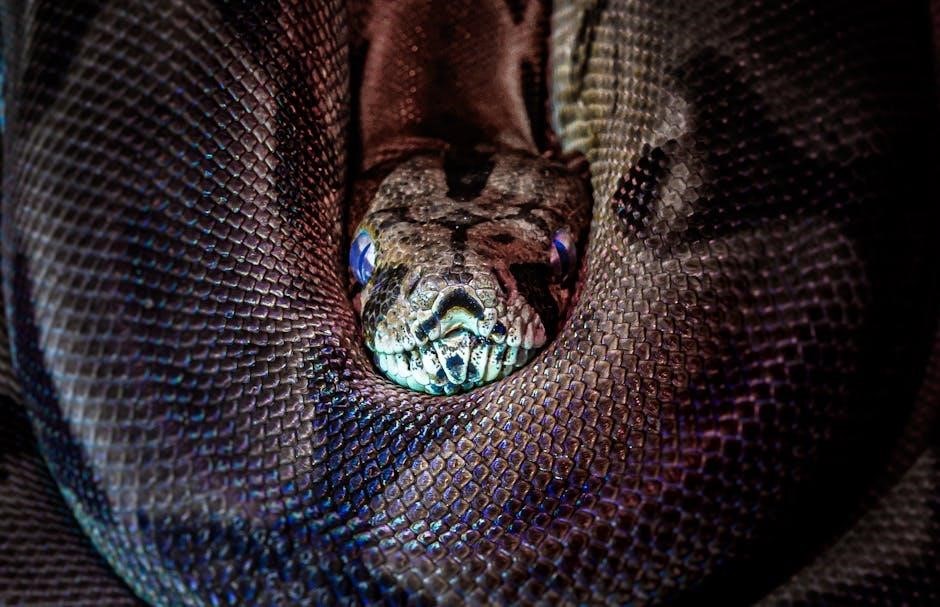
Its diet also includes birds and their eggs‚ further contributing to ecosystem balance. These snakes are opportunistic feeders‚ adapting to available prey. Their hunting strategy involves constriction‚ suffocating their prey before consumption.
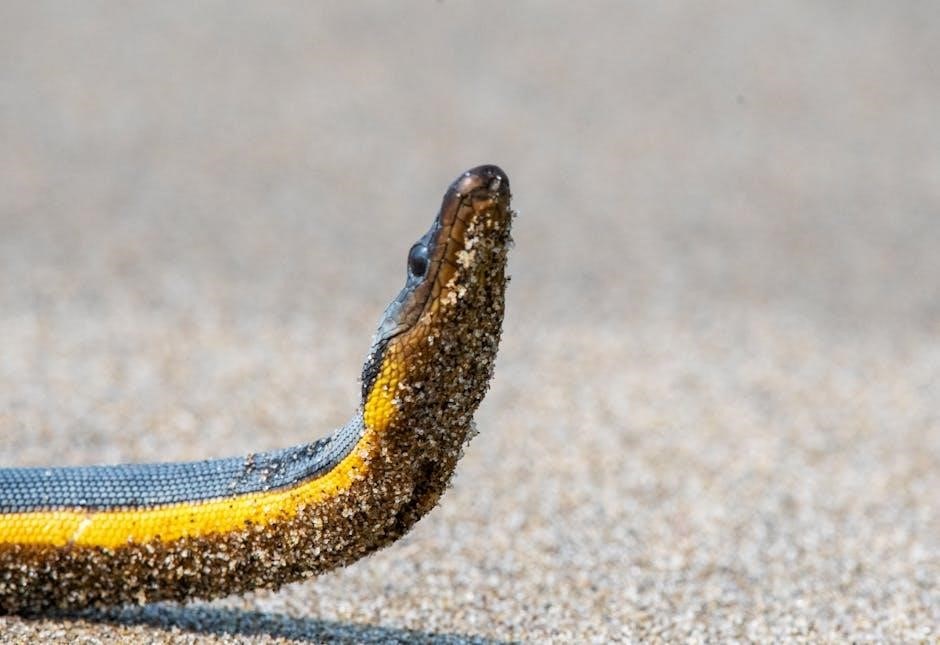
Farmers and homeowners often appreciate their presence‚ recognizing the natural pest control they provide. Understanding this beneficial role encourages tolerance and conservation of these important reptiles within the Texas landscape.
Garter Snakes
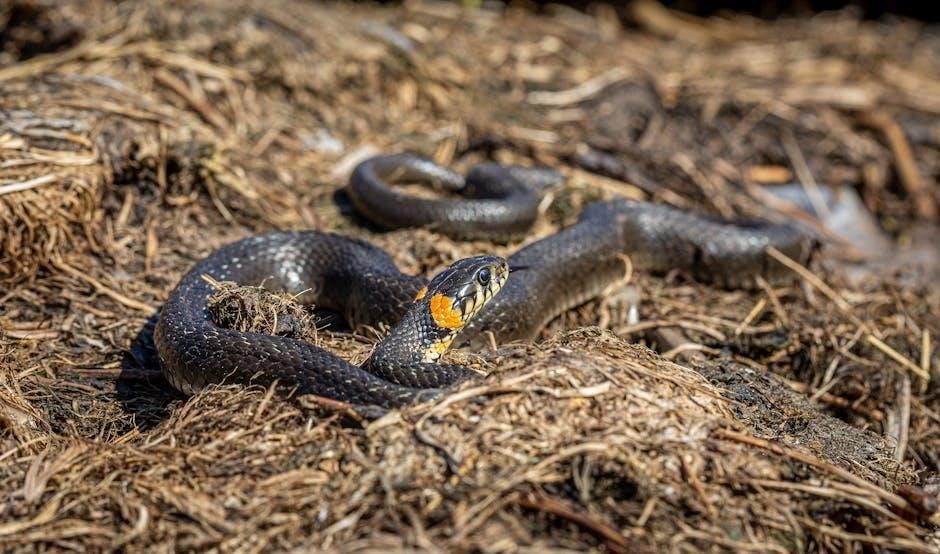
Garter Snakes (Thamnophis species) represent a diverse group found throughout Texas‚ exhibiting considerable variation in appearance. Their coloration ranges from olive green and brown to reddish-brown‚ often adorned with distinctive longitudinal stripes – hence the name “garter.” These stripes can be yellow‚ orange‚ or even blue‚ creating a wide spectrum of patterns.
Several species inhabit Texas‚ contributing to this diversity. They are typically smaller snakes‚ rarely exceeding three feet in length. Garter snakes are semi-aquatic‚ frequently found near water sources like ponds‚ streams‚ and marshes‚ where they hunt for amphibians‚ fish‚ and invertebrates.
They are non-venomous and generally harmless to humans‚ making them a common and often welcomed sight in gardens and natural areas.
Variations in Garter Snake Appearance
Garter snake appearances in Texas are remarkably diverse. Striping patterns are key identifiers‚ ranging from single dorsal stripes to multiple stripes running along the body’s length. Some individuals exhibit checkered patterns‚ while others may have minimal striping altogether. Background coloration also varies significantly‚ encompassing shades of olive‚ brown‚ reddish-brown‚ and even nearly black.
Intergrading between species further complicates identification‚ resulting in snakes displaying characteristics of multiple species. Belly patterns also differ‚ with some having solid coloration and others exhibiting intricate patterns of spots or blotches. Scale keels‚ or ridges‚ can be present or absent‚ influencing the snake’s texture.
These variations make precise species-level identification challenging without careful observation and comparison to detailed field guides.
King Snakes
King snakes are non-venomous constrictors renowned for their predatory behavior‚ specifically their diet which includes other snakes – even venomous ones! This unique characteristic gives them their name. Several king snake species inhabit Texas‚ exhibiting diverse patterns and coloration. They are beneficial to the ecosystem by helping to control populations of potentially dangerous snakes.
These snakes are typically glossy and smooth-scaled‚ with bold patterns ranging from bands and stripes to speckles. Their coloration can vary from black and white to brown‚ yellow‚ and red‚ depending on the species and locality. King snakes are relatively robust-bodied and adaptable‚ thriving in a variety of habitats.
They are often found in areas with abundant prey‚ including grasslands‚ woodlands‚ and agricultural lands.
Texas Kingsnake: Known for Eating Other Snakes

The Texas Kingsnake (Lampropeltis texana) is a captivating non-venomous snake‚ famous for its ophiophagy – the practice of consuming other snakes. This bold predator isn’t limited to snakes; it also preys on lizards‚ rodents‚ and birds‚ making it a versatile hunter. Its immunity to the venom of pit vipers‚ like rattlesnakes and copperheads‚ allows it to safely subdue and devour these dangerous reptiles.
Adults typically reach 3 to 4 feet in length‚ displaying striking black or dark brown coloration with white or yellowish bands. These bands may be broken or faded in some individuals. They inhabit a wide range of habitats across Texas‚ including grasslands‚ woodlands‚ and agricultural areas.
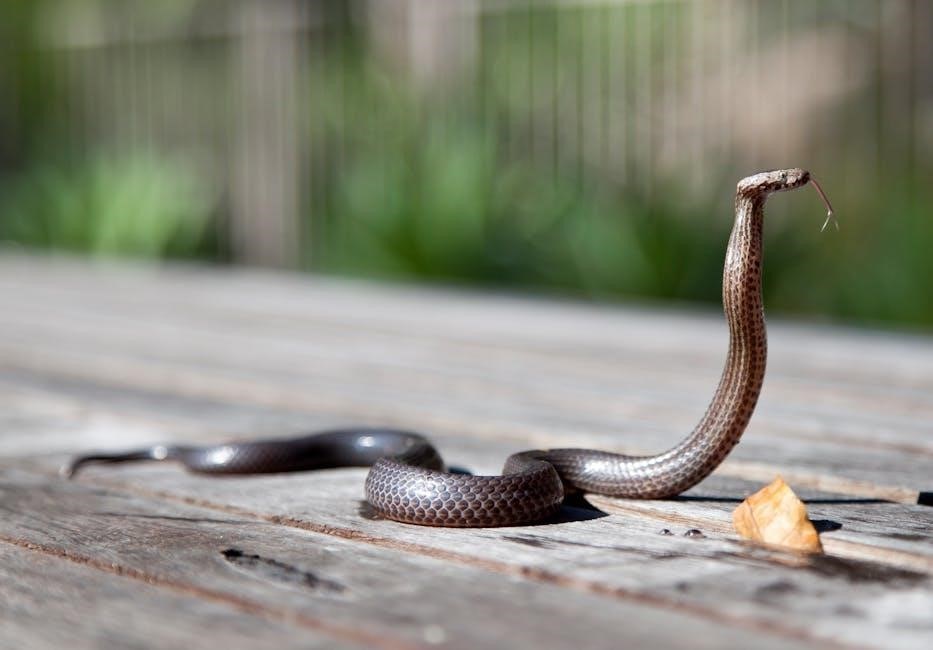
Their adaptability and predatory habits make them valuable contributors to ecosystem balance.
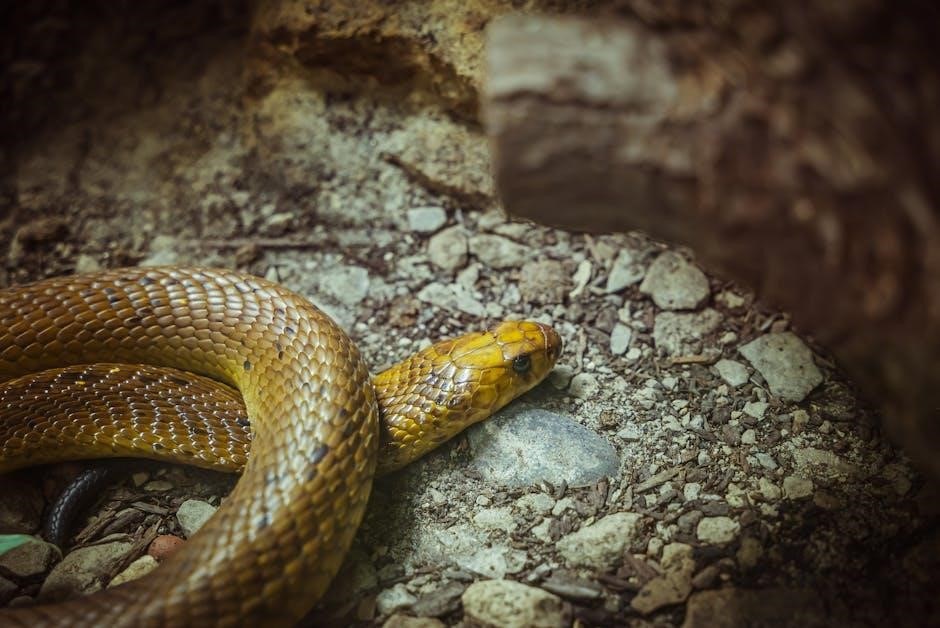
Snake Identification Resources
Accurate snake identification relies on detailed photographs‚ online tools‚ and laminated guides‚ like those from Texas Snakes & More‚ for safe exploration.
Using Photographs for Identification
High-quality photographs are invaluable tools when attempting to identify Texas snakes. Capture clear images showcasing the snake’s entire body‚ focusing on key features like scale patterns‚ head shape‚ and coloration. Multiple angles are beneficial‚ including dorsal‚ lateral‚ and close-ups of the head.
Compare your photos meticulously with images in field guides or reputable online resources. Pay close attention to details – the presence or absence of bands‚ the shape of the pupils‚ and the overall body build. Remember that coloration can vary within a species.
Uploading your photo to a snake identification page‚ as offered by Texas Snakes & More‚ can provide expert assistance if you’re unsure. Providing the location where the snake was found is also helpful for accurate identification.
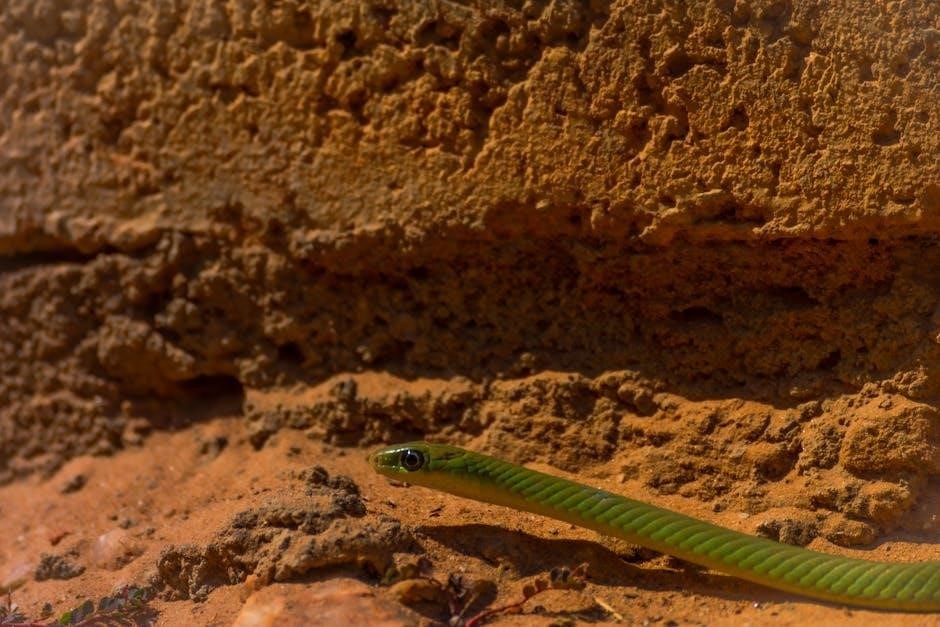
Online Snake Identification Tools
Several online resources aid in Texas snake identification‚ supplementing traditional field guides. Texas Snakes & More offers a dedicated snake identification page where users can upload photos for expert assistance‚ alongside detailed species profiles. These profiles often include habitat information and distinguishing characteristics.
Various university and wildlife organization websites provide comprehensive snake databases with searchable features. When using these tools‚ be mindful of image quality and ensure the resource is reputable and regularly updated.
Remember that online identification should be confirmed with multiple sources. Cross-referencing information and seeking expert opinion when uncertain is crucial for accurate identification and safety.
Importance of Accurate Identification
Accurate snake identification is paramount in Texas‚ directly impacting safety and appropriate response to encounters. Misidentification can lead to unnecessary fear or‚ conversely‚ a dangerous underestimation of venomous species. Knowing whether a snake is venomous dictates the necessary precautions and potential medical attention required.
Correct identification also supports conservation efforts. Understanding snake distribution and population trends relies on accurate reporting and data collection. Furthermore‚ many Texas snakes are beneficial predators‚ controlling rodent populations‚ and accurate identification fosters appreciation for their ecological role.
Relying on reliable resources and seeking expert confirmation when unsure is vital for both personal safety and responsible wildlife stewardship.
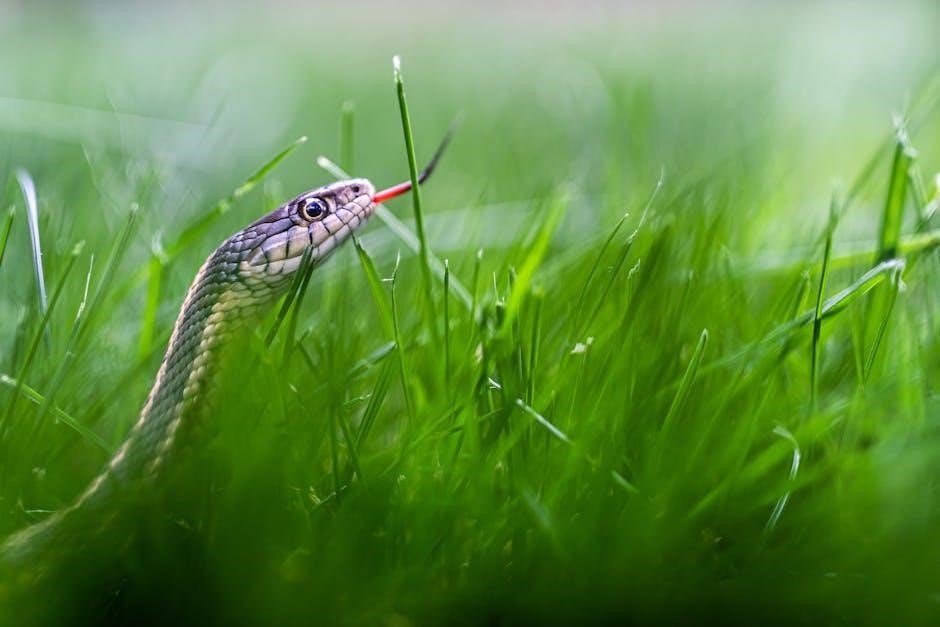
Snake Safety and First Aid
Preventing snake bites involves awareness‚ caution in outdoor areas‚ and avoiding snake habitats. If bitten‚ remain calm and seek immediate medical attention.
Preventing Snake Bites
Staying safe around snakes in Texas requires proactive measures. When hiking‚ always stick to marked trails and avoid walking through dense vegetation where snakes may hide. Wear sturdy boots and long pants to provide a physical barrier. Be extremely cautious when reaching into areas you cannot see‚ such as under rocks or logs.
Pay attention to your surroundings‚ especially near water sources‚ where cottonmouths are often found. Never attempt to handle or harass a snake‚ even if you believe it is non-venomous. Give snakes plenty of space to avoid startling them. Educate yourself and family members about the snakes common to the area you are visiting.
Remember that snakes are an important part of the Texas ecosystem‚ and most bites occur when people accidentally disturb them; Responsible behavior and awareness are key to preventing encounters and ensuring a safe outdoor experience.
What to Do If Bitten by a Venomous Snake
If bitten by a venomous snake in Texas‚ remain calm and seek immediate medical attention. Call 911 or transport the victim to the nearest hospital as quickly as possible. Keep the bitten area still and below heart level to slow venom spread.
Do not apply a tourniquet‚ cut the wound‚ or attempt to suck out the venom – these actions are ineffective and can cause further harm. Remove any constricting items like rings or watches. If possible‚ safely photograph the snake for identification purposes‚ but do not risk further bites.
Provide medical personnel with as much information as possible about the snake and the circumstances of the bite. Prompt and appropriate medical care is crucial for minimizing the effects of venom and ensuring a full recovery;