Navigating the world of vintage and antique chairs requires a keen eye and understanding of historical styles. This guide provides essential knowledge for accurately
identifying collectible pieces‚ from Queen Anne to Chippendale designs‚ and beyond.
Successfully pinpointing a chair’s era and origin enhances its value and appreciation. Recognizing construction techniques‚ wood types‚ and maker’s marks are crucial skills.
Understanding the Importance of Identifying Chair Styles
Accurate identification of vintage and antique chair styles is paramount for collectors‚ enthusiasts‚ and anyone seeking to understand the history embedded within these pieces. Knowing the style unlocks a wealth of information‚ including the chair’s approximate age‚ origin‚ and the cultural influences that shaped its design.
Determining a chair’s style directly impacts its monetary value. A correctly identified Chippendale chair‚ for example‚ will command a significantly higher price than one misattributed or simply labeled as “antique.” Understanding stylistic nuances – the curve of a leg‚ the detailing of a back‚ or the type of wood used – allows for precise valuation.
Beyond financial considerations‚ identification fosters a deeper appreciation for the craftsmanship and artistry of past furniture makers. Recognizing the hallmarks of Queen Anne‚ Windsor‚ or Louis XV chairs connects us to the historical context in which they were created. It reveals the evolution of design‚ the prevailing tastes of different eras‚ and the skills of the artisans who brought these pieces to life.
Furthermore‚ proper identification aids in appropriate restoration and preservation. Using the correct techniques and materials is crucial to maintaining the chair’s integrity and value. A knowledgeable approach ensures that repairs enhance‚ rather than detract from‚ the chair’s historical significance.
Dating Antique Chairs: A General Overview
Establishing an antique chair’s age isn’t always straightforward‚ but a combination of stylistic analysis‚ construction details‚ and material examination provides a solid foundation. Generally‚ chairs evolve with broader furniture trends‚ making stylistic recognition a primary dating tool.
Early 18th-century chairs often exhibit simpler designs‚ like those of the Queen Anne period‚ characterized by cabriole legs and elegant curves. As the century progressed‚ the more ornate Chippendale style emerged‚ featuring ball-and-claw feet and intricate carvings. The 19th century saw a revival of various styles‚ including French Empire and Victorian interpretations.
Construction techniques offer valuable clues. Dovetail joints‚ for instance‚ were common in earlier periods‚ while later chairs might showcase different joinery methods. Examining the wood used is also helpful; mahogany became popular in the 18th century‚ while oak remained prevalent in Windsor chairs.
Beware of reproductions and later additions. Furniture maker’s marks‚ when present‚ can provide definitive dates‚ but fraudulent marks exist. A thorough assessment considering all available evidence is crucial for accurate dating.
Key Historical Chair Styles
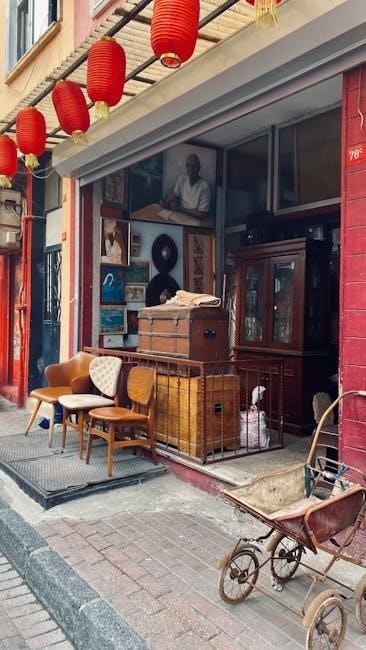
Exploring prominent chair styles—Queen Anne‚ Chippendale‚ Windsor‚ and Louis XV—is fundamental to identification. Each era boasts unique characteristics in design‚ construction‚ and ornamentation‚ offering distinct visual cues.
Queen Anne Chairs (Early to Mid-18th Century)
Queen Anne style‚ flourishing from the early to mid-18th century‚ represents a graceful departure from heavier Baroque designs. These chairs are celebrated for their elegant simplicity‚ refined proportions‚ and subtle curves‚ embodying a distinctly English aesthetic.
Key identifying features include cabriole legs – gracefully curved legs terminating in a pad foot. Look for a walnut veneer‚ often displaying a rich‚ warm tone. Back splats are typically shaped‚ featuring a vase shape or a fiddleback design‚ though simpler splats also exist.
Upholstery‚ when present‚ was often needlepoint or silk. The chairs generally exhibit a smaller scale compared to later styles. Pay attention to the chair’s overall balance and the harmonious flow of its lines. Genuine Queen Anne pieces rarely feature excessive ornamentation; the beauty lies in the form itself.
Variations include armchairs‚ side chairs‚ and kneehole desks with chairs. Fiddle-back chairs‚ a subset of Queen Anne‚ showcase a distinctive carved design resembling a fiddle’s scroll on the back splat. Careful examination of the legs and splat shape will help distinguish authentic Queen Anne pieces.
Chippendale Chairs (Mid to Late 18th Century)
Chippendale chairs‚ popular during the mid to late 18th century‚ represent a diverse and influential style‚ largely defined by Thomas Chippendale’s pattern books. These chairs showcase a blend of Gothic‚ Rococo‚ and Chinese influences‚ resulting in a remarkably versatile aesthetic.
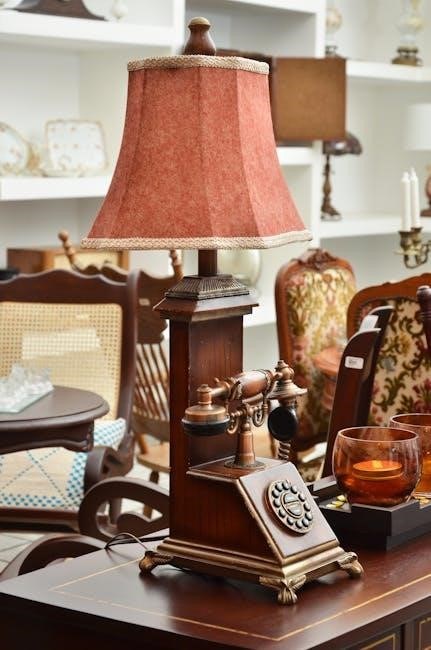
Identifying features include cabriole legs‚ often terminating in ball-and-claw feet‚ though square legs are also common. Back splats exhibit a wide range of designs‚ including splat-and-rail‚ pierced splats‚ and elaborate crest rails. Mahogany is the predominant wood‚ though walnut and other hardwoods were also utilized.
Three primary Chippendale styles exist: Gothic‚ French Rococo‚ and Chinese. Gothic chairs feature pointed arches and trefoil motifs‚ while French Rococo chairs display flowing curves and floral carvings. Chinese chairs incorporate latticework and oriental motifs.
Look for intricate carvings‚ particularly on the knees and crest rails. Upholstery was frequently damask or silk. Chippendale chairs often feature a more substantial presence than Queen Anne pieces‚ reflecting a shift towards greater ornamentation and grandeur. Careful attention to the carving style will help pinpoint the specific Chippendale variation.
Windsor Chairs (18th & 19th Century)
Windsor chairs‚ originating in England during the 18th century and continuing in popularity throughout the 19th‚ are celebrated for their simple‚ sturdy construction and comfortable design. Initially created for outdoor use‚ they quickly gained acceptance indoors‚ becoming a staple in both rural and urban homes.
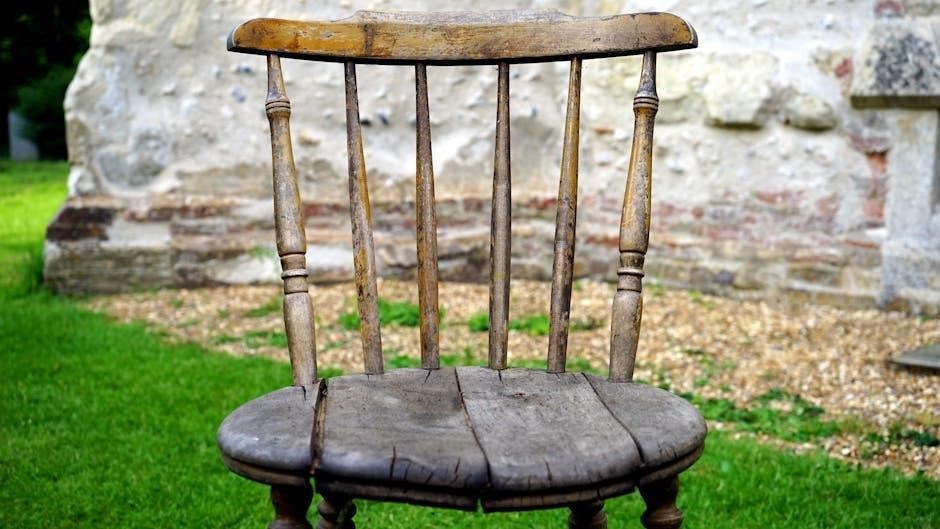
A defining characteristic is the use of multiple wood species. Beech or maple typically forms the seat‚ while legs and stretchers are crafted from stronger woods like oak or ash. The back is composed of slender‚ vertically arranged spindles;
Windsor chairs are readily identified by their ‘stick’ back – a series of spindles connecting the seat to the back rail. Variations include continuous armchairs‚ hoop-back chairs‚ and those with pierced or solid splats. The legs are often tapered and connected by stretchers for added stability.
Early Windsor chairs often exhibit a more primitive‚ hand-carved aesthetic. Later examples demonstrate greater refinement and machine-made components. The finish is typically painted‚ though some examples retain a natural wood appearance. Their enduring appeal lies in their practicality and timeless charm.
Louis XV & French Empire Chairs (18th & 19th Century)
Louis XV and French Empire chairs represent the height of French elegance and craftsmanship during the 18th and 19th centuries. These styles‚ though distinct‚ share a common thread of ornate detailing and luxurious materials‚ reflecting the opulence of the French court.
Louis XV chairs (early to mid-18th century) are characterized by their graceful curves‚ cabriole legs‚ and asymmetrical ornamentation. Floral motifs‚ shell carvings‚ and rocaille designs are prevalent. Upholstery is often silk or velvet‚ with elaborate needlepoint detailing.
The French Empire style (late 18th to early 19th century)‚ influenced by classical antiquity‚ features straighter lines‚ bolder forms‚ and motifs inspired by ancient Greece and Rome. Swans‚ eagles‚ and laurel wreaths are common decorative elements.
Empire chairs often incorporate mahogany‚ a newly popular wood‚ and feature gilded accents. Upholstery tends to be simpler‚ often in rich‚ solid colors. Identifying these chairs requires attention to the leg shape‚ back design‚ and the overall sense of grandeur and refined artistry.
Less Common‚ But Significant Styles
Beyond mainstream designs‚ several unique chair styles deserve recognition. Bergère‚ Savonarola‚ and Morris chairs offer distinct aesthetics and historical context‚ enriching the world of antique furniture collecting.
Bergère Chairs
Bergère chairs‚ originating in France during the 18th century‚ represent a significant departure from more formal chair designs. Initially conceived as comfortable seating for women‚ these chairs quickly gained popularity across European aristocracy and beyond‚ becoming a staple in elegant interiors.
Key characteristics of Bergère chairs include their generously padded seats and backs‚ often upholstered in luxurious fabrics like silk or velvet. The defining feature is the wide‚ sweeping arms‚ typically positioned lower than the seat‚ designed to provide ample support and a relaxed posture. These arms are often gracefully curved and can be subtly or dramatically shaped.
The frames are typically constructed from beechwood‚ though other hardwoods were sometimes utilized. Bergère chairs frequently feature exposed wooden legs‚ often cabriole or tapered‚ and may be adorned with carved details. Look for a robust construction‚ reflecting the chair’s intended purpose of providing comfortable‚ long-lasting seating.
Variations exist‚ including the fauteuil à la Bergère‚ which incorporates a more elaborate frame and upholstery. Identifying a genuine Bergère chair requires attention to these details – the deep padding‚ the characteristic arms‚ and the overall sense of relaxed elegance. They represent a fascinating blend of comfort and style.
Savonarola Chairs
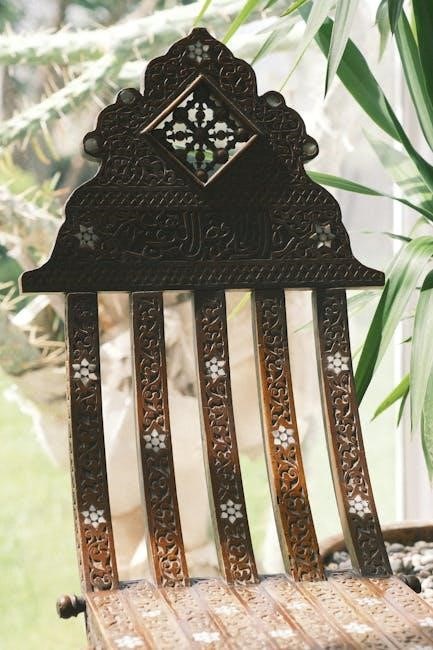
Savonarola chairs‚ a distinctive style emerging in Italy during the Renaissance‚ are instantly recognizable by their unique woven construction. Named after the Dominican friar Girolamo Savonarola‚ though not directly associated with him‚ these chairs represent a departure from traditional solid wood seating.
The defining characteristic is the interlaced leather or rush seat and back‚ creating a striking woven pattern. This weaving isn’t merely decorative; it provides surprisingly comfortable support. The frame is typically crafted from wood‚ often walnut or chestnut‚ and features a relatively simple‚ often X-shaped‚ support structure.
Authentic Savonarola chairs generally have a low back and lack arms‚ emphasizing their functional and somewhat austere aesthetic. The legs are often turned or carved with simple motifs‚ and the overall design prioritizes practicality and durability. Look closely at the weaving – genuine examples exhibit a high level of craftsmanship.
Later imitations sometimes used less durable materials or simplified weaving techniques. Identifying a true Savonarola chair involves assessing the quality of the weaving‚ the wood used in the frame‚ and the overall simplicity of the design. They offer a fascinating glimpse into Renaissance furniture design.
Morris Chairs
Morris chairs‚ a hallmark of the Arts and Crafts movement in the late 19th and early 20th centuries‚ embody comfort and a rejection of Victorian formality. Designed by William Morris‚ they prioritize relaxation and a connection to nature‚ reflecting the movement’s core principles.
The most defining feature is the adjustable‚ reclining back‚ typically supported by a hinged mechanism. This allows the sitter to customize their position for reading‚ lounging‚ or simply relaxing. Morris chairs are generally large and substantial‚ built for enduring comfort.
Construction typically involves solid oak‚ though other hardwoods like walnut or mahogany were sometimes used. Upholstery is often in rich‚ natural fabrics – think wool‚ linen‚ or tapestry – featuring floral or geometric patterns inspired by nature. The arms are usually wide and rolled‚ adding to the chair’s inviting appearance.
Look for sturdy construction and a sense of handcrafted quality. Authentic Morris chairs often showcase exposed wood frames and minimal ornamentation‚ emphasizing the beauty of the materials. They represent a significant shift in furniture design‚ prioritizing comfort and craftsmanship.
Construction & Materials as Identification Clues
Examining a chair’s construction and materials provides vital clues to its age and authenticity. Wood types‚ joinery techniques‚ and the presence of maker’s marks all contribute to accurate identification.
Wood Types Used in Antique Chairs (Mahogany‚ Walnut‚ Oak)
Identifying the wood used in an antique chair is a fundamental step in determining its age and origin. Different wood types were favored during specific periods due to availability‚ cost‚ and aesthetic qualities. Mahogany‚ prized for its rich color and workability‚ became exceptionally popular in the 18th and 19th centuries‚ particularly during the Queen Anne and Chippendale eras. Its reddish-brown hue deepens with age‚ and it often features beautiful figuring.
Walnut‚ another frequently used hardwood‚ gained prominence in the 17th and 18th centuries‚ offering a darker‚ cooler tone than mahogany. American walnut‚ in particular‚ was favored for its strength and distinctive grain patterns. You’ll often find walnut in country furniture and pieces from the William and Mary period.
Oak‚ a durable and readily available wood‚ has a long history in furniture making. While often associated with earlier periods like the Jacobean and Elizabethan eras‚ oak continued to be used in various chair styles throughout the 19th century‚ especially in Windsor chairs. Its coarser grain and robust nature distinguish it from the finer textures of mahogany and walnut. Examining the grain‚ color‚ and weight of the wood can provide valuable insights into a chair’s age and potential style.
Beware of later reproductions using different wood types!
Furniture Maker’s Marks & Labels
The presence of a furniture maker’s mark or label is a significant boon to antique chair identification‚ offering direct evidence of the piece’s origin and potentially its date. These marks can range from stamped or carved signatures directly into the wood to paper labels affixed to the underside of the chair. However‚ caution is paramount! Skilled forgers have historically replicated marks to inflate a chair’s value‚ so verification is crucial.
Early marks were often handwritten or crudely stamped‚ becoming more refined with the advent of industrialization. Labels‚ while more informative‚ are also susceptible to damage or replacement. Researching known maker’s marks through online databases and reference books is essential. Pay close attention to the style of the mark itself; does it align with the chair’s purported period?
Even the absence of a mark isn’t necessarily indicative of a low-quality piece. Many skilled artisans didn’t routinely mark their work. However‚ a legitimate mark significantly strengthens a chair’s provenance and value. Thorough documentation and expert appraisal are recommended when encountering a potentially significant maker’s mark.
Always scrutinize the mark’s authenticity!
Joint Construction Techniques (Dovetail‚ Mortise & Tenon)
Examining how a chair is assembled – its joint construction – provides invaluable clues to its age and quality. Traditional techniques like dovetail‚ mortise & tenon‚ and pegged joints were employed for centuries‚ evolving over time. Hand-cut dovetails‚ for example‚ are a hallmark of pre-industrial furniture‚ exhibiting subtle irregularities that distinguish them from machine-cut versions.
Mortise and tenon joints‚ where a projecting tenon fits snugly into a corresponding mortise‚ were a mainstay of chair construction. The sophistication of these joints – whether simple or with elaborate detailing – can indicate the chair’s period and craftsmanship. Look for evidence of hand-tooling‚ such as chisel marks‚ which suggest an earlier date.
The use of wooden pegs instead of screws is another indicator of age. Screws became increasingly common in the 19th century. Analyzing the type of wood used for the joints can also be revealing. A skilled eye can discern the subtle differences between hand-crafted and mass-produced joints‚ aiding in accurate identification.
Understanding these techniques unlocks a deeper appreciation for antique chair construction.