
TV Guide, a cornerstone of American pop culture, historically provided essential television listings and program information. Its archives offer invaluable insights into broadcasting’s evolution.
What is TV Guide and its Historical Significance?
TV Guide debuted in 1953, rapidly becoming the dominant source for weekly television listings. Initially a modest publication, it mirrored the explosive growth of television itself, evolving into a cultural touchstone. Beyond schedules, it featured celebrity interviews, program reviews, and insightful articles.
Its historical significance lies in documenting the evolution of broadcast programming, reflecting societal trends, and shaping viewing habits. The magazine’s covers became iconic, showcasing the stars and shows that defined each era, offering a unique window into the past.
The Evolution of TV Listings: From Print to Digital
Initially, TV Guide thrived as a print publication, delivering meticulously curated television listings directly to homes. The deregulation of listings in 1991 spurred competition, yet TV Guide remained influential. However, the rise of the internet dramatically altered the landscape.
Digital platforms like the Internet Archive and PressReader now offer access to vast TV Guide archives. Websites provide searchable databases, while the official TV Guide website offers a curated selection, marking a shift from physical copies to online accessibility.
Accessing TV Guide Archives Online
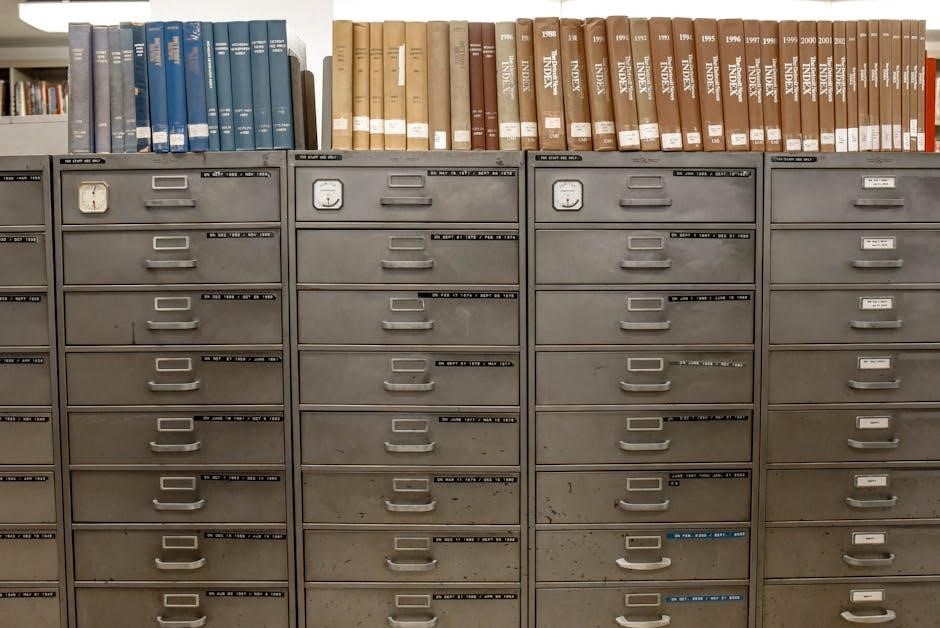
Numerous online resources, including the Internet Archive and PressReader, grant access to digitized TV Guide back issues, facilitating research and nostalgic browsing.
Internet Archive: A Primary Resource
The Internet Archive stands as a crucial hub for accessing historical TV Guide magazines. It hosts a substantial collection of scanned issues, offering researchers and enthusiasts a readily available digital repository. Users can explore editions dating back decades, providing a unique window into past television schedules and cultural trends.
Specifically, the archive features digitized copies of TV Guide, often including regional variations like the New York City edition. The platform’s search functionality, while sometimes imperfect, allows users to locate specific programs, actors, or dates within the magazine’s pages. This resource is invaluable for verifying broadcast information and studying television history.
PressReader: Accessing Back Issues
PressReader provides another significant avenue for accessing TV Guide archives digitally. This platform offers a subscription-based service granting access to a vast library of digitized magazines and newspapers, including numerous past issues of TV Guide. Unlike some free archives, PressReader often maintains higher-resolution scans and a more user-friendly interface.
Users can browse issues by date, region, or perform keyword searches to pinpoint specific content. It’s particularly useful for researchers needing detailed access to complete magazine layouts and advertisements, offering a comprehensive view of television’s past.
Official TV Guide Website Resources
The official TV Guide website itself hosts a curated selection of archival content, primarily focusing on cover galleries categorized by decade. This visual archive allows users to browse iconic covers, offering a nostalgic trip through television history and showcasing evolving design trends.
While not a comprehensive database of listings, the website provides a valuable starting point for exploring the magazine’s visual legacy. It also occasionally features articles and retrospectives drawing upon the TV Guide’s extensive history, supplementing the cover image collection.
Third-Party Websites and Databases
Beyond official sources, several third-party websites aggregate and provide access to TV Guide archives. PressReader, for instance, offers a substantial collection of back issues, accessible via subscription. Additionally, the Internet Archive contains digitized copies of various TV Guide editions, though coverage can be incomplete.
Various fan-maintained databases and forums also compile listings and cover information. These resources, while valuable, may vary in accuracy and completeness, requiring cross-referencing with more established archives for verification.

Utilizing TV Guide Archives for Research
TV Guide archives are crucial for studying film, television history, cultural contexts, advertising trends, and verifying broadcast details for academic and personal projects.
Film and Television History Research
TV Guide archives serve as a primary source for researchers investigating the evolution of broadcast programming. They detail show premieres, cast changes, and network strategies, offering a granular view of television’s past. Researchers can trace the rise and fall of genres, analyze programming schedules, and understand how television reflected societal shifts.
Furthermore, these archives help pinpoint broadcast dates for films, aiding in the reconstruction of television schedules and the study of film distribution patterns. They provide context for understanding the cultural impact of specific shows and stars, enriching historical narratives.
Genealogical Research and Cultural Context
TV Guide archives offer surprising value for genealogical research, revealing details about ancestors’ viewing habits and the cultural landscape of their time. Advertisements within the magazines reflect consumer products and societal values prevalent during specific eras, providing contextual clues.
Researchers can gain insights into popular trends, social norms, and even local events advertised alongside program listings. This allows for a richer understanding of the lives and interests of past generations, supplementing traditional genealogical records with a vibrant cultural backdrop.
Advertising and Societal Trends Analysis
TV Guide archives are a goldmine for analyzing advertising trends and societal shifts over decades. The advertisements showcased within its pages reflect evolving consumer culture, product marketing strategies, and prevailing social values. Examining these ads reveals changing demographics, popular brands, and the aspirations of different generations.
Researchers can trace the introduction of new products, shifts in advertising styles, and the portrayal of gender roles, offering a unique lens into the social history of television’s golden age.
Verification of Broadcast Dates and Times
TV Guide archives serve as crucial resources for verifying original broadcast dates and times of television programs. This is particularly valuable for film and television historians, researchers, and those involved in media preservation. Discrepancies often arise in online databases or memory, making archival listings essential for accuracy.
Confirming broadcast schedules aids in understanding programming strategies, network competition, and the historical context of specific shows, offering definitive proof for research projects.

Navigating TV Guide Archive Content
TV Guide archives are typically organized by year and region, facilitating targeted searches. Understanding listing terminology and program descriptions is key to effective research.
Understanding Archive Organization (by Year, Region)
TV Guide archives demonstrate a structured organization, primarily categorized by publication year. Within each year, content is often further segmented by geographical region, such as national editions or specific city listings – notably, New York City. This regional breakdown reflects differing broadcast schedules and local programming. Researchers should initially identify the relevant year and then pinpoint the appropriate region to narrow their search. Recognizing this hierarchical structure is crucial for efficiently locating desired information within the extensive archive collections, ensuring focused and productive research efforts.
Search Functionality and Keywords
Effective searching within TV Guide archives relies on utilizing available search functionalities and strategic keyword selection. Researchers should experiment with various terms, including program titles, actor names, and even network identifiers; Combining keywords – for example, “Greg Page” and “CBS Sports Spectacular” – yields more precise results. Date range limitations are also vital for narrowing searches to specific periods. Understanding how the archive’s search engine interprets keywords and utilizing advanced operators can significantly enhance the discovery of relevant listings and program details.
Deciphering TV Listings Terminology
Historical TV Guide listings employ terminology unfamiliar to modern viewers. Acronyms like “JIP” (joined-in-progress) denote partial broadcasts, while terms like “CC” indicated closed captioning availability. Understanding these abbreviations is crucial for accurate interpretation. Program descriptions were often concise, requiring contextual knowledge. Ratings systems evolved over time, so deciphering older ratings requires awareness of historical standards. Recognizing these nuances unlocks a deeper understanding of the broadcast landscape and programming choices of the era.
Interpreting Program Descriptions and Ratings
Early TV Guide program descriptions were brief, often focusing on plot summaries and star appearances. Ratings, initially simple, evolved to include content warnings. Deciphering these ratings requires understanding the societal norms of the time. Descriptions sometimes reflected promotional material, potentially exaggerating content. Analyzing descriptions alongside actual broadcasts reveals shifts in television storytelling. Recognizing biases and limitations within these summaries is vital for accurate historical assessment. Contextualizing ratings within their era provides a nuanced understanding of broadcast standards.
Specific Archive Collections & Notable Features
TV Guide’s New York City archives are particularly rich, showcasing regional programming variations and unique cover stories reflecting local events and celebrity appearances.
New York City TV Guide Archives
The TV Guide archives focused on New York City provide a fascinating window into the city’s vibrant television landscape. These editions meticulously documented local programming, including broadcasts from network affiliates and independent stations serving the tri-state area. Researchers can uncover details about specific shows, guest stars, and even local advertising campaigns tailored to a New York audience.
Furthermore, the NYC archives often featured exclusive coverage of Broadway shows, concerts, and cultural events, reflecting the city’s prominent role in the entertainment industry. Examining these issues reveals how television programming mirrored and influenced New York’s unique cultural identity during different eras.
Regional Variations in TV Listings
TV Guide wasn’t a monolith; significant regional variations existed in its listings. Local stations and cable providers dictated programming, resulting in diverse schedules across the country. Archives demonstrate how content differed based on geographic location, reflecting local interests and demographics. These variations extended beyond program choices to include advertising, showcasing regional businesses and products.
Researchers studying these differences gain insights into the cultural nuances of various American communities. Comparing listings from different regions reveals how television contributed to both national unity and localized identities during specific periods.
Special Issues and Commemorative Editions
TV Guide frequently released special issues and commemorative editions, marking significant television events and cultural moments. These weren’t simply listings; they offered in-depth coverage of premieres, finales, and major awards shows. Often featuring exclusive interviews and behind-the-scenes photographs, these editions provide a unique lens into the industry’s history.
Collectors highly value these issues, and archives demonstrate how TV Guide actively participated in shaping public perception of television and its stars, solidifying its cultural impact.
TV Guide Cover Archives: A Visual History
TV Guide’s cover archives represent a fascinating visual history of television and celebrity culture. The covers themselves reflect evolving design trends and the changing faces of entertainment, showcasing popular stars and iconic programs across decades. Browsing these covers offers a compelling snapshot of what captivated audiences at different times.
The TV Guide website maintains a comprehensive gallery, allowing enthusiasts to explore covers by decade, providing a rich resource for researchers and fans alike.

Challenges and Limitations of TV Guide Archives
TV Guide archive completeness varies, with potential gaps in coverage and occasional inaccuracies. Copyright restrictions and digital preservation efforts present ongoing challenges for access.
Completeness of Coverage
One significant hurdle when utilizing TV Guide archives is the inconsistent nature of their completeness. While extensive, the archives aren’t universally comprehensive across all years, regions, and editions. Certain local publications or specific time periods may have limited representation.
Microfilm preservation efforts, while valuable, haven’t captured every single issue. Furthermore, variations exist between major city listings (like New York) and smaller market guides. Researchers should acknowledge potential gaps and cross-reference information with other sources to build a more thorough understanding of television history. The archive’s scope isn’t absolute.
Accuracy of Information
While generally reliable, the accuracy of information within TV Guide archives isn’t always guaranteed. Early listings sometimes contained errors regarding program times, titles, or even broadcast dates, stemming from last-minute schedule changes or printing mistakes.
Program descriptions, often brief, could be subjective or lack detailed specifics. Researchers must critically evaluate the data, verifying key details against multiple sources whenever possible. Relying solely on TV Guide for precise historical verification can be problematic; corroboration is essential for robust research.
Copyright and Usage Restrictions
Accessing TV Guide archives often involves navigating copyright limitations. While many digitized issues are available through platforms like the Internet Archive, usage rights vary. Commercial use, redistribution, or extensive reproduction may require permission from the copyright holder – typically, the original publisher.
Researchers should carefully review the terms of service for each archive source. Fair use principles may apply for educational or scholarly purposes, but proper attribution is always crucial. Ignoring these restrictions can lead to legal consequences.
Digital Preservation Concerns
The long-term preservation of TV Guide archives in digital formats presents significant challenges. Digital files are susceptible to data loss, format obsolescence, and degradation over time. Ensuring continued access requires ongoing migration to newer formats and robust backup systems.
Many early digitization efforts lack detailed metadata, hindering searchability. Collaborative initiatives and standardized preservation strategies are vital to safeguard this valuable cultural heritage for future generations, preventing information from becoming inaccessible.

Tools and Techniques for Effective Archive Searching
Employing advanced search operators, precise date ranges, and keyword combinations significantly improves results when navigating TV Guide archives for specific program details.
Advanced Search Operators
Utilizing advanced search operators within TV Guide archive platforms unlocks more refined results. Boolean operators like “AND,” “OR,” and “NOT” help narrow searches by combining or excluding keywords. Phrase searching, enclosed in quotation marks, locates exact program titles or actor names. Wildcards, such as an asterisk (*), can substitute for unknown characters, broadening the scope.
Experimenting with these operators, alongside specific date ranges, dramatically enhances the efficiency of locating desired information within the extensive TV Guide archive collections. Mastering these techniques is crucial for researchers and enthusiasts alike.
Using Date Ranges Effectively
Precisely defining date ranges is paramount when navigating TV Guide archives. Most platforms allow specifying start and end dates, crucial for pinpointing broadcasts during specific periods. Researchers investigating a particular show’s run or a historical event’s coverage benefit immensely from this feature.
Remember that archive coverage may vary; utilizing broader date ranges initially can reveal unexpected results. Combining date ranges with keyword searches further refines the process, ensuring efficient access to relevant TV Guide content.
Combining Keywords for Specific Results
To maximize the effectiveness of TV Guide archive searches, strategically combine keywords. Instead of simply searching “football,” try “football” AND “Super Bowl” AND “1985” for targeted results. Boolean operators (AND, OR, NOT) refine searches significantly.
Consider program titles, actor names, and network affiliations. Experiment with variations – “The Twilight Zone” OR “Twilight Zone” – to capture all instances. Precise keyword combinations unlock deeper insights within the vast TV Guide archive.
Cross-Referencing with Other Sources
Verifying information found within TV Guide archives is crucial for research accuracy. Cross-reference broadcast dates and times with other sources like newspaper archives, network historical records, and film databases. This confirms program schedules and corrects potential discrepancies.
Comparing TV Guide’s program descriptions with contemporary reviews or industry publications provides a richer understanding of a show’s reception and cultural context. Robust research demands triangulation of data from multiple sources.

The Future of TV Guide Archives
TV Guide’s future involves ongoing digitization, leveraging AI for enhanced searchability, and collaborative community contributions to preserve television history for generations.
Digitization Efforts and Ongoing Projects
Currently, significant efforts are underway to digitize vast collections of TV Guide back issues, transforming fragile print materials into accessible digital formats. The Internet Archive and PressReader are key players, continually expanding their online availability. These projects face challenges related to the sheer volume of content and the costs associated with high-resolution scanning and optical character recognition (OCR) technology.
Future initiatives aim to improve search functionality and metadata tagging, making it easier for researchers and enthusiasts to locate specific programs, actors, or advertisements. Collaborative projects involving libraries, museums, and dedicated volunteers are also crucial for accelerating the digitization process and ensuring long-term preservation.
The Role of AI and Machine Learning
Artificial intelligence (AI) and machine learning (ML) are poised to revolutionize TV Guide archive research. ML algorithms can automatically extract data from scanned images, improving the accuracy of program titles, dates, and cast information. AI-powered search tools will enable more nuanced queries, understanding natural language and identifying related content beyond simple keyword matches.
Furthermore, AI can analyze program descriptions to identify themes, genres, and societal trends reflected in television programming over time. This technology promises to unlock new insights from these archives, enhancing both academic research and casual exploration.
Preserving TV History for Future Generations
Digitizing TV Guide archives is crucial for safeguarding a significant part of broadcast history. These publications document not only programming schedules but also reflect evolving cultural values, advertising trends, and societal norms. Long-term digital preservation strategies, including robust metadata and multiple backup systems, are essential to prevent data loss.
Ensuring accessibility for researchers, historians, and enthusiasts alike guarantees that this valuable resource remains available for generations to come, fostering a deeper understanding of television’s impact.
Community Contributions and Collaborative Archives
The expansion of TV Guide archives benefits greatly from community involvement. Enthusiasts contribute by scanning, transcribing, and indexing issues, supplementing existing digital collections. Online forums and collaborative platforms facilitate the sharing of knowledge and resources, creating a more comprehensive archive.
These efforts enhance discoverability and accuracy, ensuring a richer experience for researchers and preserving television history through collective dedication and shared passion.

Resources for TV Guide Enthusiasts
Numerous online forums, books on TV history, and museum collections cater to TV Guide fans, offering deeper dives into archival content and related media.
Online Forums and Communities
Dedicated online spaces flourish for TV Guide enthusiasts, providing platforms to discuss archival discoveries, share cover images, and collaborate on research projects. These communities often host detailed threads analyzing past television listings, program guides, and advertising trends.
Enthusiasts frequently exchange information regarding rare issues, regional variations, and the identification of obscure programs featured within the archives. Many forums also serve as hubs for trading duplicate issues and connecting with fellow collectors passionate about preserving television history. Active participation fosters a collaborative environment for deepening understanding of the cultural impact of TV Guide.
Books and Articles on TV History
Numerous scholarly works and popular histories explore the evolution of television, often referencing TV Guide as a primary source for understanding programming trends and audience reception. Books dedicated to television history frequently analyze TV Guide’s role in shaping viewing habits and reflecting societal values.
Academic articles utilize archived listings to examine broadcast schedules, advertising strategies, and the cultural context of specific programs. These resources provide valuable insights into the historical significance of TV Guide beyond its function as a simple program guide, demonstrating its importance to media studies.
Museums and Libraries with TV Guide Collections
Several institutions recognize the historical and cultural importance of TV Guide and maintain collections for research and preservation. Major libraries, like the Library of Congress, often house extensive runs of the magazine, providing access to researchers and enthusiasts;
Museums dedicated to broadcasting or popular culture may also feature TV Guide holdings, including cover galleries and special issues. These collections offer a tangible connection to television’s past, showcasing the magazine’s visual evolution and its impact on American homes.
Relevant Websites and Blogs
Numerous online resources cater to TV Guide enthusiasts and researchers. Websites dedicated to television history frequently feature articles and scans from vintage issues, offering glimpses into past programming schedules and advertising trends. Dedicated blogs often curate TV Guide covers and share insights into the magazine’s cultural significance.
Fan forums and online communities provide platforms for discussion and the exchange of information about specific issues or television programs featured in TV Guide over the years.