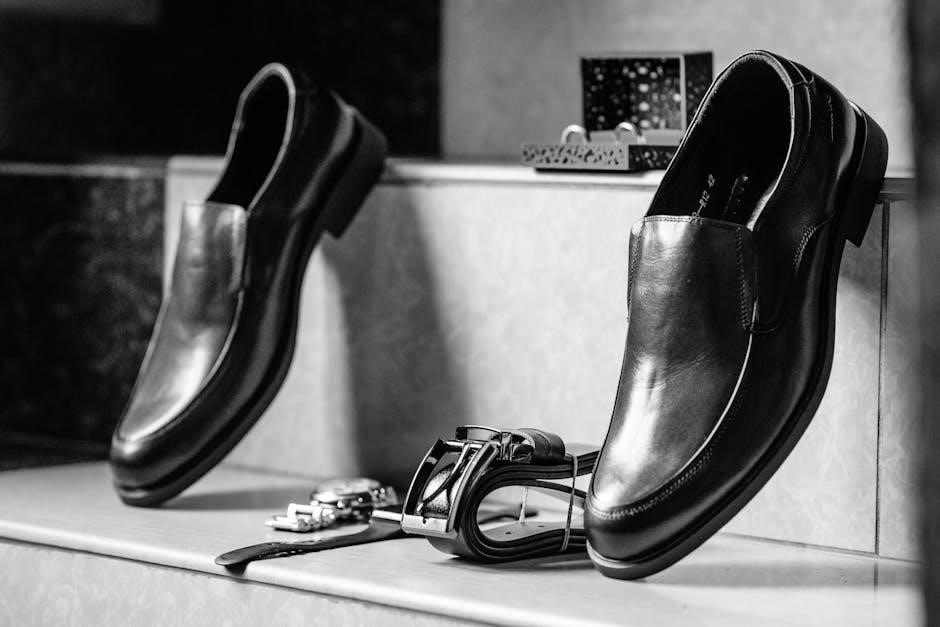
Navigating the world of men’s dress shoes requires understanding styles like Oxfords‚ Derbys‚ and Loafers‚ ensuring a polished and appropriate look for any event․
The Importance of Choosing the Right Shoes
Selecting the correct dress shoes is paramount to a man’s overall appearance and conveys a message of respect for the occasion and attention to detail․ Shoes aren’t merely functional; they are a cornerstone of style‚ capable of elevating or diminishing an outfit․ A well-chosen pair demonstrates discernment and sophistication․
Different shoe styles suit different events․ A classic Oxford speaks to formality‚ while a Derby offers versatility․ Ignoring this can create dissonance․ Furthermore‚ proper fit ensures comfort and prevents long-term foot problems․ Investing in quality shoes‚ and maintaining them diligently‚ reflects self-respect and a commitment to presenting your best self․
A Brief History of Men’s Dress Shoes
The evolution of men’s dress shoes traces back centuries‚ originating from basic foot coverings for practicality․ Early forms transitioned into more refined styles during the Renaissance‚ with elaborate designs signifying status․ The Oxford‚ emerging in the 16th century at Oxford University‚ initially was a simple half-boot․
The 19th century saw the rise of Goodyear welting‚ enhancing durability and comfort․ Victorian England solidified many modern styles․ The 20th century brought experimentation with materials and designs‚ including the popularization of loafers and monk straps․ Today‚ classic designs endure‚ alongside contemporary interpretations‚ reflecting a rich heritage of craftsmanship and style․
Key Types of Dress Shoes
Essential dress shoe styles include Oxfords‚ Derbys‚ Monk Straps‚ Loafers‚ and Brogues‚ each offering unique aesthetics and levels of formality for diverse occasions․
Oxford Shoes
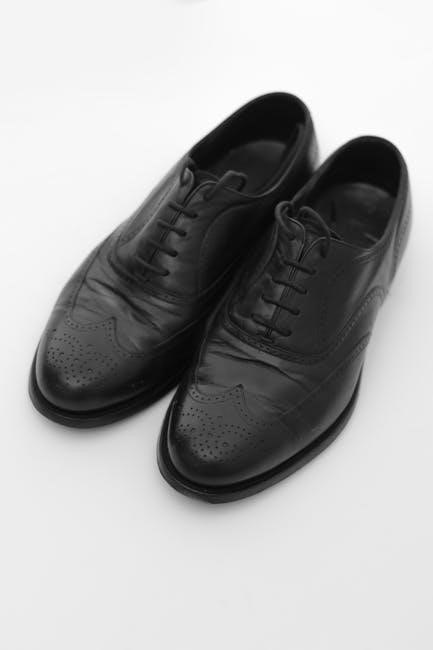
Oxfords are the quintessential dress shoe‚ renowned for their sleek and formal appearance․ Characterized by a closed lacing system – meaning the eyelet tabs are stitched under the vamp – they present a streamlined silhouette․ This construction distinguishes them from other styles․
Oxfords are considered the most formal type of dress shoe‚ making them ideal for business settings‚ weddings‚ and other sophisticated events․ They project an air of refinement and are a cornerstone of any well-curated wardrobe․ The versatility of Oxfords allows for variations in toe shape and detailing‚ influencing their overall formality․
Understanding the nuances between Full Oxfords and Half Oxfords is crucial for selecting the appropriate style for different occasions‚ as subtle differences impact the shoe’s aesthetic․
Full Oxford vs․ Half Oxford
The key distinction between Full and Half Oxfords lies in the visible heel cut․ A Full Oxford features a closed heel‚ where the heel counter is completely covered by the upper leather‚ creating a seamless and highly formal look․ This design emphasizes a refined silhouette and is preferred for black-tie events or very conservative business environments․
Conversely‚ a Half Oxford exhibits a slight channel or gap between the heel counter and the upper․ This subtle opening offers a touch more versatility and is considered slightly less formal than its Full Oxford counterpart․ It’s a suitable choice for business casual settings or occasions where a polished‚ yet not overly strict‚ appearance is desired․
Cap-Toe Oxfords
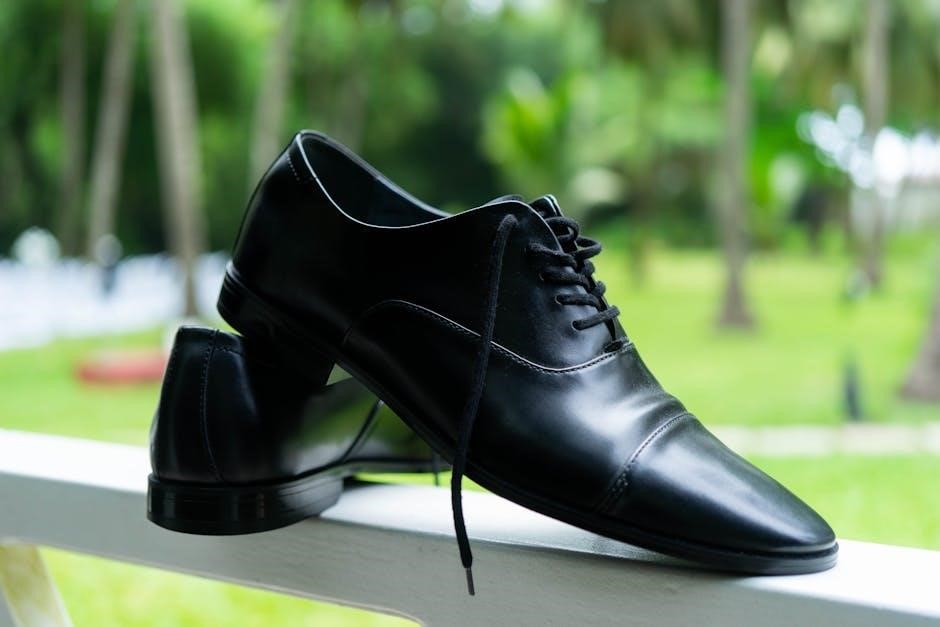
Cap-Toe Oxfords are arguably the most versatile and popular style within the Oxford family․ They feature a horizontal seam across the toe box‚ creating a distinct “cap” – hence the name․ This simple addition elevates the shoe’s aesthetic‚ making it appropriate for a wide range of occasions‚ from business professional to smart casual․
The cap toe adds a touch of visual interest without being overly ostentatious․ They pair exceptionally well with suits‚ but also look sharp with chinos and a blazer․ Available in various leather finishes and colors‚ a well-maintained Cap-Toe Oxford is a foundational piece in any discerning gentleman’s wardrobe‚ offering timeless style and enduring quality․
Derby Shoes
Derby shoes‚ often considered a more relaxed alternative to Oxfords‚ are characterized by an open lacing system․ This means the eyelet tabs are sewn on top of the vamp‚ creating a less formal appearance․ This construction allows for a wider range of foot shapes and provides greater comfort‚ making them a practical choice for everyday wear․
Derbies are incredibly versatile‚ suitable for both business casual and more relaxed settings․ They can be found in various materials and finishes‚ including leather and suede‚ and often feature broguing for added style․ Their adaptability makes them a cornerstone of a modern man’s shoe collection‚ offering both comfort and sophistication․
The Difference Between Oxfords and Derbys
The key distinction between Oxfords and Derbys lies in their lacing systems․ Oxfords feature a “closed lacing” system‚ where the eyelet tabs are stitched under the vamp‚ creating a sleek‚ streamlined appearance․ Derbies‚ conversely‚ have an “open lacing” system with tabs sewn on top of the vamp․
This seemingly small difference impacts formality․ Oxfords are generally considered more formal and are preferred for black-tie events or professional settings․ Derbies are more versatile‚ suitable for business casual and everyday wear․ The open lacing of Derbies also allows for a slightly wider fit‚ enhancing comfort․ Recognizing this difference is crucial for selecting the appropriate shoe for any occasion․
Wingtip Derbys
Wingtip Derbys are characterized by a distinctive W-shaped toe cap‚ extending along the sides of the shoe – this “wing” design is where the name originates․ They represent a bolder‚ more decorative style within the Derby family‚ offering a touch of personality․ While still versatile like other Derbies‚ wingtips lean towards the smart-casual spectrum․
Traditionally‚ wingtips were favored for outdoor pursuits‚ making them robust and durable․ Today‚ they’re a stylish choice for business casual environments or social events․ They pair well with tweed‚ chinos‚ and even some suit styles‚ adding visual interest․ The perforated detailing‚ a hallmark of wingtips‚ elevates their aesthetic appeal․
Monk Strap Shoes
Monk strap shoes offer a sophisticated alternative to traditional lace-up dress shoes‚ distinguished by their straps and buckles․ They present a unique and stylish aesthetic‚ often favored by those seeking a more individual look․ These shoes bridge the gap between formal and casual‚ making them incredibly versatile․
The origins of monk straps trace back to European monks‚ who favored this practical and secure footwear․ Today‚ they’re a statement piece‚ showcasing confidence and refined taste․ They work exceptionally well with tailored trousers‚ chinos‚ and even jeans‚ offering a modern twist on classic menswear․ Monk straps are a fantastic way to elevate an outfit․
Single Monk Strap
The single monk strap shoe embodies understated elegance․ Featuring just one strap and buckle across the instep‚ it presents a cleaner‚ more minimalist appearance than its double-strapped counterpart․ This simplicity makes it exceptionally versatile‚ easily transitioning from business casual settings to more relaxed social events․
A single monk strap pairs beautifully with chinos‚ dress pants‚ and even dark-wash jeans‚ offering a refined yet approachable style․ The single buckle draws the eye‚ adding a subtle focal point to your footwear․ Choosing a quality leather and a well-maintained buckle are key to maximizing its impact․ It’s a sophisticated choice for the modern man․
Double Monk Strap
The double monk strap is a statement shoe‚ distinguished by its two straps and adjustable buckles․ This design offers a bolder‚ more fashion-forward aesthetic compared to the single monk strap‚ projecting confidence and individuality․ Historically considered somewhat unconventional‚ it has gained significant popularity as a stylish alternative to traditional lace-ups․
Double monk straps work exceptionally well with tailored trousers and blazers‚ creating a sophisticated and contemporary ensemble․ They can also elevate smart-casual outfits‚ adding a touch of personality to chinos or even dark denim․ The double buckle detail demands attention‚ so ensure the shoes are impeccably polished and well-maintained to fully showcase their unique charm․
Loafers
Loafers represent a versatile and comfortable option within the realm of dress shoes‚ characterized by their slip-on design and lack of laces․ Originating as house shoes‚ they’ve evolved into a staple for both casual and more formal occasions․ Their ease of wear and relaxed aesthetic make them a popular choice for men seeking a stylish yet practical footwear solution․
Loafers come in various styles‚ including penny loafers‚ tassel loafers‚ and Belgian loafers‚ each offering a unique visual appeal․ They pair well with a wide range of outfits‚ from chinos and blazers to tailored trousers and even jeans‚ offering a refined yet approachable look․ A rigid sole and seam around the front are defining features․
Penny Loafers
Penny loafers are arguably the most iconic style within the loafer family‚ instantly recognizable by the distinctive slot across the vamp – traditionally designed to hold a penny․ This classic design originated in the 1930s and quickly gained popularity for its preppy aesthetic and comfortable fit․ They represent a blend of casual elegance‚ making them incredibly versatile․
Typically crafted from leather or suede‚ penny loafers can be worn with a variety of outfits‚ from casual jeans and a t-shirt to more dressed-up chinos and a blazer․ They offer a timeless appeal and remain a staple in many men’s wardrobes‚ embodying a relaxed yet refined style suitable for numerous occasions․
Tassel Loafers
Tassel loafers offer a sophisticated alternative to the classic penny loafer‚ distinguished by the decorative tassels adorning the vamp․ Emerging in the 1950s‚ they quickly became a symbol of refined style and are often associated with a more polished‚ yet still relaxed‚ aesthetic․ These loafers exude a sense of individuality and are favored by those seeking a touch of personality in their footwear․
Typically constructed from high-quality leather‚ tassel loafers pair exceptionally well with tailored trousers‚ blazers‚ and even suits for a smart-casual look․ They represent a step up in formality from penny loafers‚ offering a versatile option for both business and social settings‚ showcasing a confident and stylish presence․
Brogues
Brogues are characterized by their distinctive decorative stitching‚ originally designed for practical purposes – allowing water to drain from hunting boots․ Today‚ this detailing is purely aesthetic‚ adding a touch of rugged elegance to dress shoes․ The level of broguing determines the style: full‚ half‚ or quarter․ These shoes offer a versatile option‚ bridging the gap between formal and casual wear․
Brogues are available in Oxford‚ Derby‚ and even loafer styles‚ making them adaptable to various outfits․ While full brogues are generally considered less formal‚ quarter brogues can be suitable for business settings․ The decorative perforations add visual interest and texture‚ making brogues a stylish choice for the discerning gentleman․
Full Brogues
Full brogues‚ also known as Wingtips‚ are the most ornate of the brogue family․ They feature a pointed toe cap with extensions – “wings” – that run along the sides of the shoe․ These wings are adorned with broguing‚ a decorative perforation pattern‚ extending to the heel․ This extensive detailing creates a visually striking and distinctly casual aesthetic․
Traditionally‚ full brogues were favored for outdoor pursuits due to the broguing’s original function of aiding drainage․ Today‚ they are best suited for less formal occasions․ Pairing them with tweed or corduroy suits enhances their character‚ while avoiding highly formal settings is advisable due to their inherent casualness․ They represent a bold statement in men’s footwear․
Half Brogues
Half brogues strike a balance between the formality of plain oxfords and the casual flair of full brogues․ They feature broguing along the toe cap and sometimes along the facing‚ but lack the “wing” design extending down the sides of the shoe․ This more restrained detailing makes them significantly more versatile than their full brogue counterparts․
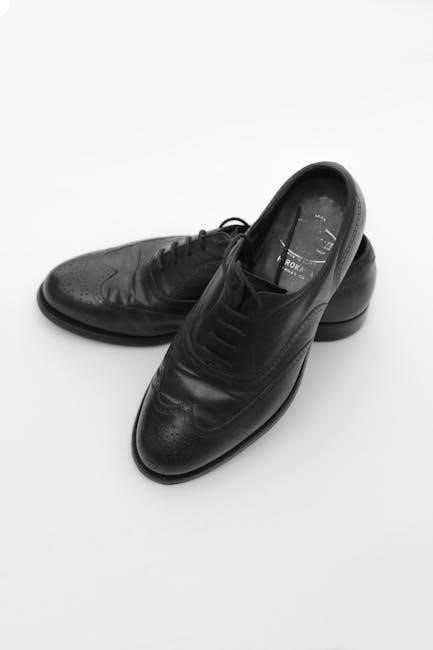
Half brogues can be confidently worn with a wider range of outfits‚ including business casual attire and suits․ They offer a touch of personality without sacrificing sophistication․ Typically crafted from leather‚ they present a classic and refined appearance․ They are a solid choice for those seeking a dress shoe that can transition seamlessly between different settings and occasions․
Quarter Brogues
Quarter brogues represent the most understated variation within the brogue family․ They feature broguing solely on the heel counter – the area around the back of the shoe – with a plain toe cap and facing․ This minimal detailing makes them the most formal of the brogue styles‚ approaching the level of a plain oxford in terms of versatility․
Because of their subtle design‚ quarter brogues are excellent choices for professional settings and more formal events․ They pair well with suits and can be worn with confidence in business environments․ They offer a refined aesthetic for those who appreciate a classic look with a hint of traditional craftsmanship‚ without being overly decorative․
Materials and Construction
The quality of dress shoes hinges on materials like calfskin‚ suede‚ leather‚ and rubber soles‚ impacting durability‚ comfort‚ and overall aesthetic appeal․
Leather Types
Choosing the right leather is paramount when investing in dress shoes․ Calfskin leather is widely considered the gold standard‚ prized for its softness‚ fine grain‚ and ability to take a high shine – making it ideal for formal Oxfords and Derbys․ It drapes beautifully and ages gracefully with proper care․
Suede leather offers a distinctly different aesthetic‚ characterized by its napped finish and softer texture․ While less formal than calfskin‚ suede provides a sophisticated‚ yet relaxed‚ look‚ often seen in loafers and less structured designs․ It requires more diligent maintenance to protect against water and stains‚ but offers a unique visual depth․
Beyond these‚ variations in tanning and finishing processes further influence leather quality and appearance‚ impacting breathability and longevity․
Calfskin Leather
Calfskin is the most popular leather choice for high-quality dress shoes‚ sourced from young calves‚ resulting in a remarkably fine and supple grain․ This superior texture allows for exceptional polishing‚ achieving a beautiful‚ high-gloss sheen often desired in formal footwear like Oxfords․ Its inherent softness also means it molds comfortably to the foot over time‚ enhancing wearability․
The tight fiber structure of calfskin contributes to its durability and resistance to creases‚ though regular conditioning is still essential․ Different tanning methods – such as full-grain‚ top-grain‚ and corrected-grain – affect the leather’s characteristics‚ impacting its price and aesthetic qualities․ Full-grain retains the most natural markings‚ while corrected-grain offers a more uniform appearance․
Suede Leather
Suede offers a distinctly different aesthetic compared to smooth calfskin‚ possessing a napped‚ velvety texture created by splitting the leather and buffing the flesh side․ This results in a softer‚ more casual appearance‚ making suede shoes suitable for less formal occasions or adding texture to an outfit․ While visually appealing‚ suede requires more diligent care than smooth leather․
Suede is more susceptible to water damage and staining‚ necessitating protective sprays and careful cleaning․ Specialized suede brushes and erasers are essential for maintaining its appearance․ Though less durable than calfskin‚ high-quality suede can still provide years of wear with proper maintenance․ Suede loafers and chukkas are particularly popular choices‚ offering both comfort and style․
Sole Materials
The sole of a dress shoe significantly impacts its durability‚ comfort‚ and overall aesthetic․ Traditionally‚ leather soles were the standard‚ offering a refined appearance and allowing the shoe to mold to the wearer’s foot over time․ However‚ leather soles provide limited traction and minimal cushioning‚ and are vulnerable to wear and tear from moisture․
Rubber soles have become increasingly popular‚ providing superior grip‚ water resistance‚ and shock absorption․ They extend the lifespan of the shoe and are ideal for everyday wear․ Modern rubber soles can be discreetly incorporated into dress shoe designs‚ maintaining a sophisticated look while enhancing practicality․ The choice between leather and rubber often depends on intended use and personal preference․
Leather Soles
Leather soles represent a classic choice for dress shoes‚ historically favored for their elegance and ability to conform to the wearer’s foot․ Constructed from layers of tanned leather‚ they offer a refined aesthetic and a unique feel‚ becoming more comfortable with age as they mold to individual contours․
However‚ leather soles require more care and are less practical for all-weather conditions․ They offer limited traction‚ particularly on wet or slippery surfaces‚ and are susceptible to damage from moisture and abrasion․ Regular maintenance‚ including the application of sole protectors and conditioning‚ is crucial to prolong their lifespan․ Despite these drawbacks‚ many connoisseurs still prefer the sophisticated look and feel of a traditional leather sole․
Rubber Soles
Rubber soles provide a practical and durable alternative to leather‚ offering superior traction and water resistance․ Increasingly popular for modern dress shoes‚ they enhance grip on various surfaces‚ making them ideal for everyday wear and inclement weather․ Rubber soles also offer greater shock absorption‚ contributing to increased comfort during extended periods of walking or standing․
While traditionally considered less formal than leather‚ advancements in rubber sole technology and design have blurred the lines․ Many high-quality dress shoes now feature discreetly designed rubber soles that maintain a sophisticated appearance․ They require less maintenance than leather and are a more resilient choice for those seeking a balance of style and functionality․
Color and Styling
Selecting the right color‚ like classic black or versatile brown‚ is crucial for complementing your attire and achieving a refined‚ sophisticated aesthetic․
Black Dress Shoes
Black dress shoes represent the cornerstone of any well-curated wardrobe‚ offering unparalleled versatility and formality․ They are undeniably the most popular choice‚ seamlessly pairing with nearly all suit colors and styles – from charcoal grey and navy to black itself․ This makes them an essential investment for any man seeking a polished appearance․
Within the realm of black dress shoes‚ options abound‚ including classic Oxfords‚ sophisticated Derbys‚ and sleek Monk Straps․ Shiny black shoes‚ in particular‚ exude a refined elegance‚ perfect for formal occasions and business settings․ However‚ matte finishes also provide a subtle sophistication suitable for a wider range of events․ Prioritizing quality leather and construction ensures longevity and a timeless aesthetic․
Brown Dress Shoes
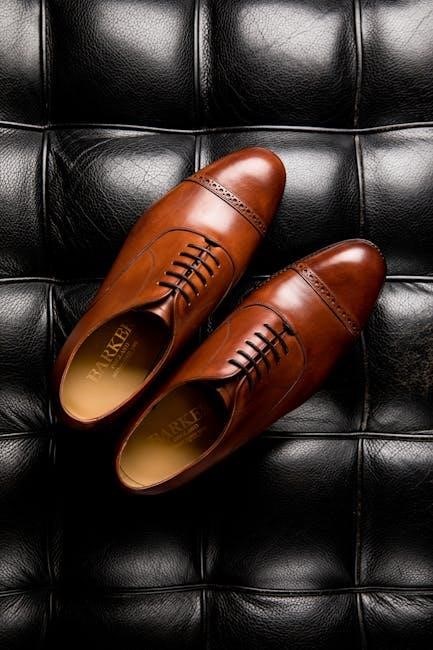
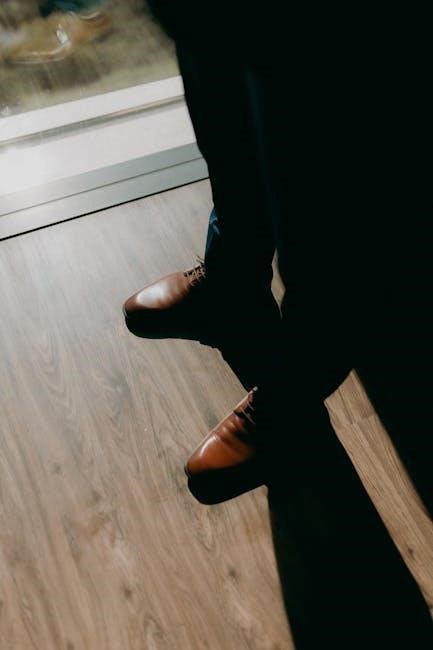
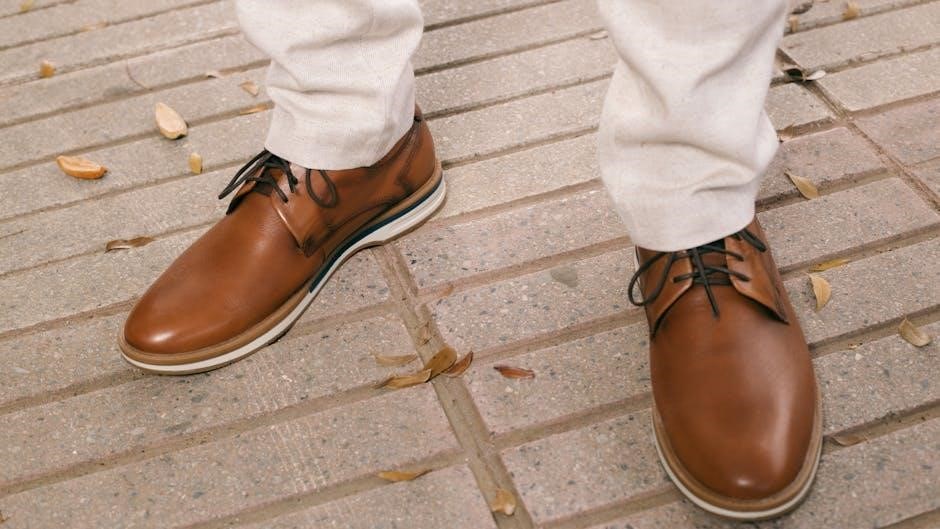
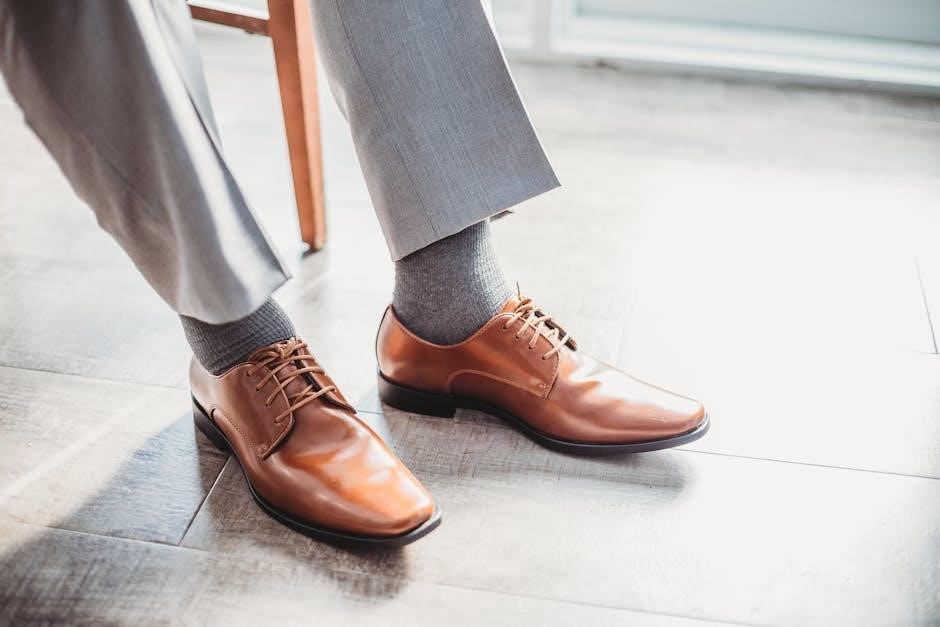
Brown dress shoes offer a fantastic alternative to black‚ injecting warmth and personality into your ensembles․ Their versatility shines when paired with outfits that black might overwhelm‚ such as tweed jackets‚ chinos‚ and earth-toned suits․ Lighter shades of brown‚ like tan or chestnut‚ are ideal for spring and summer‚ while darker shades‚ such as chocolate or oxblood‚ suit autumn and winter․
The key to styling brown shoes lies in understanding undertones․ Warmer browns complement warmer-toned clothing‚ while cooler browns pair well with cooler tones․ From classic Oxfords to relaxed Loafers‚ brown shoes come in various styles to match different occasions․ Don’t underestimate the impact a well-chosen pair of brown dress shoes can have on your overall look!
Matching Shoes to Suits
Harmonizing your shoes with your suit is crucial for a refined appearance․ Generally‚ black suits demand black shoes – a classic‚ foolproof combination for formal events․ Navy suits offer more flexibility; black or dark brown shoes both work well‚ depending on the occasion and desired aesthetic․
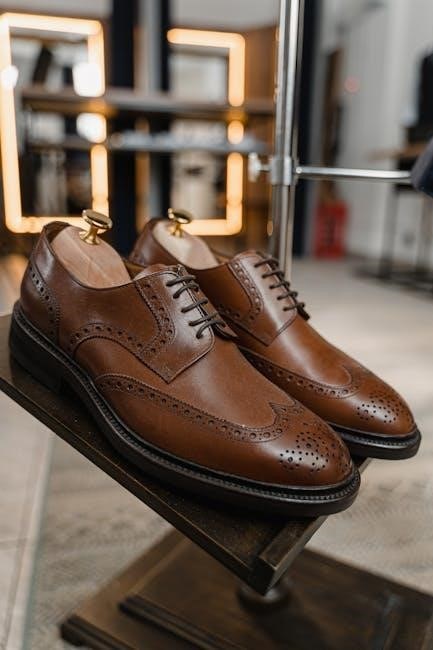
Grey suits are exceptionally versatile․ Black shoes create a sharp contrast‚ while shades of brown offer a softer‚ more approachable look․ For lighter-colored suits like tan or beige‚ brown shoes are the preferred choice․ Remember to consider the formality of the event; bolder colors and styles are suitable for less formal settings․ Consistency in leather tones between shoes and belts is also highly recommended․
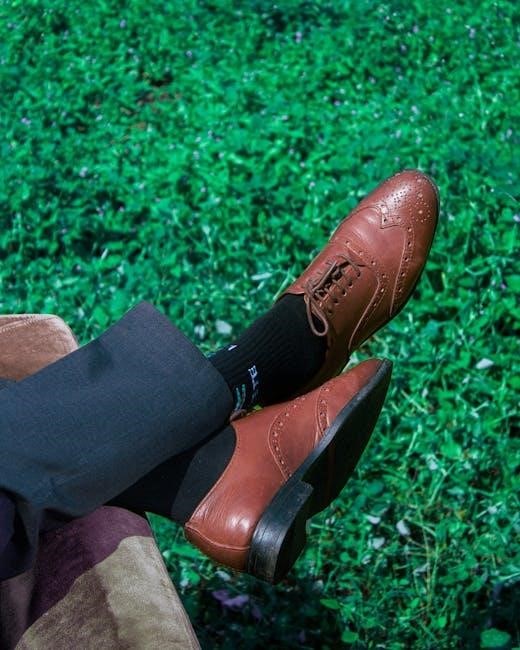
Shoe Care and Maintenance
Regular polishing‚ conditioning‚ and proper storage are essential for extending the life and maintaining the appearance of your valuable dress shoes․
Polishing Your Shoes
Polishing is paramount for maintaining the luster and protecting the leather of your dress shoes․ Begin by brushing off any dirt or debris with a horsehair brush․ Apply a small amount of cream polish‚ matching the shoe’s color‚ using a cloth or brush in circular motions․
Allow the polish to dry for a few minutes‚ then buff vigorously with a clean brush to achieve a brilliant shine․ For a high-gloss finish‚ consider applying a liquid shoe polish after the cream‚ followed by another round of buffing․ Regular polishing not only enhances appearance but also helps to condition the leather‚ preventing cracking and extending the shoe’s lifespan․ Don’t underestimate the power of a well-polished pair!
Conditioning Leather
Leather conditioning is crucial for preventing dryness and cracking‚ maintaining the suppleness and extending the life of your dress shoes․ After cleaning‚ apply a leather conditioner with a soft cloth‚ working it into the leather in circular motions․
Conditioner replenishes the natural oils lost over time due to wear and environmental factors․ Allow the conditioner to absorb for at least 15-20 minutes‚ or ideally overnight‚ before buffing with a clean cloth․ Regular conditioning – every few months‚ or more frequently for heavily worn shoes – keeps the leather soft‚ pliable‚ and resistant to damage․ This simple step significantly impacts the longevity and appearance of your footwear․
Storage Tips
Proper storage is essential for preserving the shape and quality of your dress shoes․ Always use shoe trees – preferably cedar – to absorb moisture and maintain the shoe’s form‚ preventing creases․ Store shoes in a cool‚ dry place away from direct sunlight and heat‚ which can damage the leather․
Consider using individual dust bags to protect them from dust and scratches․ Avoid stacking shoes directly on top of each other‚ as this can cause scuffing and deformation․ A dedicated shoe rack or shelving unit is ideal․ Rotating your shoe collection ensures each pair gets adequate rest and prevents excessive wear on any single pair․