Navigating men’s shirt sizing can be tricky! Understanding various charts‚ fits‚ and brand differences ensures a comfortable and stylish appearance. Accurate measurements are key.
Why Accurate Sizing Matters
Proper fit dramatically impacts appearance and comfort. A well-fitted shirt enhances your physique‚ projecting confidence and style. Conversely‚ incorrect sizing can appear sloppy or restrict movement.
Accurate measurements prevent costly returns and frustrating shopping experiences. Understanding your body’s dimensions‚ alongside garment measurements‚ is crucial. Ignoring size guides leads to shirts that are too tight‚ too loose‚ or have incorrect sleeve lengths. Investing time in precise sizing ensures a wardrobe of shirts that look and feel great!
Understanding Different Shirt Styles
Shirt styles significantly influence sizing. Dress shirts‚ designed for a tailored look‚ often require more precise measurements than casual t-shirts. Polo shirts bridge the gap‚ offering a semi-fitted style.
Each style has unique considerations; for example‚ sleeve length is critical for dress shirts. T-shirt sizing tends to be more forgiving‚ focusing on chest and length. Recognizing these differences ensures you select the correct size for each garment type‚ maximizing comfort and style.
Key Measurements for Men’s Shirts
Essential measurements include chest‚ shoulder‚ sleeve length‚ and neck circumference. Accurate data is crucial for finding the perfect fit and avoiding sizing errors.
Chest Measurement
To accurately measure your chest‚ stand naturally and have someone measure around the fullest part of your chest‚ keeping the tape measure level and under your armpits.
Ensure a comfortable‚ but not tight‚ fit. Exhale normally during measurement. This measurement is fundamental‚ as it dictates the shirt’s width and overall fit;
Compare your chest measurement to the brand’s size chart; remember that some brands may add a few inches to their chest size for comfort.
Shoulder Measurement
Measuring your shoulder width is crucial for a well-fitted shirt. Find the point where your shoulder slopes down from your neck. Have someone measure across your back from this point on one shoulder to the same point on the other.
Keep the tape measure straight and level. This measurement impacts the shirt’s overall structure and how it sits on your frame.
Shoulder measurements often correlate with chest size‚ but always consult the specific brand’s size guide for accurate results.
Sleeve Length Measurement
Accurate sleeve length ensures a polished look and comfortable range of motion. Begin at the center back of your neck‚ over your shoulder point‚ and down your arm to your wrist bone.
Keep your arm slightly bent during measurement. Sleeve length is typically indicated in inches. Different shirt styles – like dress shirts versus casual – may have varying sleeve length expectations.
Consider whether you prefer your shirt cuffs to extend slightly past your wrist.
Neck Measurement
Precise neck measurement is crucial‚ especially for button-down shirts‚ impacting collar fit and overall comfort. Use a flexible measuring tape to circle your neck where the collar would naturally sit.
Ensure the tape is snug but not constricting; allow room for breathing. Round up to the nearest half-inch if your measurement falls between sizes.
A correctly sized collar should allow you to comfortably insert two fingers between your neck and the collar.

Standard Men’s Shirt Sizes
Common sizes include Small‚ Medium‚ Large‚ Extra Large‚ and XXL. These are general guidelines‚ varying by brand and fit; always check specific charts!
Small (S)
Typically‚ a Small (S) shirt fits men with a chest measurement of 34-36 inches and a neck size of 14-14.5 inches. However‚ these are averages‚ and variations exist. Sleeve length for a Small generally falls around 32-33 inches.
It’s crucial to remember that ‘Small’ doesn’t solely depend on height or weight. Body type plays a significant role. A slim build will suit a Small better than someone with a broader frame. Always consult the specific brand’s size chart‚ as sizing can differ considerably;
Medium (M)
A Medium (M) shirt generally accommodates men with a chest measurement between 38-40 inches and a neck size of 15-15.5 inches. Sleeve lengths typically range from 34-35 inches. However‚ these are just guidelines; individual builds vary.
The Medium size is often a popular choice‚ but it’s vital to check brand-specific charts. Some brands run smaller or larger than others. Consider your shoulder width and overall body shape for the best fit. A comfortable‚ not-too-tight‚ not-too-loose fit is the goal;
Large (L)
Typically‚ a Large (L) shirt fits men with a chest measurement of 42-44 inches and a neck size of 16-16.5 inches. Expect sleeve lengths around 35-36 inches. However‚ remember that sizing isn’t uniform across all brands.
The Large size offers more room than Medium‚ suitable for broader builds. Always consult the specific brand’s size chart‚ as variations exist. Consider your shoulder measurements too. A well-fitting Large should provide comfort and allow for movement without appearing overly baggy.
Extra Large (XL)
An Extra Large (XL) shirt generally accommodates chest measurements between 46-48 inches‚ with a neck size of 17-17.5 inches. Sleeve lengths typically fall within the 36-37 inch range. This size is designed for larger frames‚ offering a more relaxed fit.
However‚ brand-specific sizing can significantly differ. Always prioritize checking the individual brand’s chart. An XL should provide ample room without being excessively loose. Consider shoulder width for optimal comfort and a flattering silhouette.
XXL and Beyond
XXL and larger sizes cater to men with substantial builds. Chest measurements typically start around 50 inches and extend upwards‚ with corresponding increases in neck and sleeve lengths. Finding consistent sizing becomes more challenging beyond XXL‚ emphasizing the need for detailed brand charts.
Some brands offer 3XL‚ 4XL‚ and even larger options. Prioritize accurate measurements and understand that fit can vary considerably. Online retailers often provide extended size guides‚ and customer reviews can offer valuable insights.
Types of Shirt Fits & Their Sizing
Shirt fits significantly impact sizing! Options like slim‚ regular‚ relaxed‚ and athletic each have unique cuts‚ influencing how a shirt feels and looks on the body.
Slim Fit
Slim fit shirts are tailored close to the body‚ creating a modern and streamlined silhouette. These shirts generally have a narrower cut through the chest‚ waist‚ and sleeves.
Typically‚ individuals opting for a slim fit may need to size up‚ especially if they have a broader build. Expect minimal excess fabric and a defined shape.
Consider your comfort level; slim fit isn’t ideal for those preferring looser clothing. It’s best suited for those with a leaner physique‚ enhancing a polished look.
Regular Fit
The regular fit is a classic and versatile choice‚ offering a comfortable and balanced silhouette. It provides enough room for movement without being overly baggy‚ making it suitable for various body types.
This style features a straightforward cut through the chest‚ waist‚ and sleeves‚ avoiding excessive tightness or looseness. It’s a dependable option for everyday wear‚ offering a relaxed yet presentable appearance.
Regular fit shirts generally align with standard sizing‚ making it easier to find a good fit. It’s a safe bet for those unsure of their preferred style.
Relaxed Fit
A relaxed fit shirt prioritizes comfort and ease of movement‚ offering a looser silhouette throughout the body. This style provides ample room in the chest‚ waist‚ and sleeves‚ creating a casual and comfortable look.
Unlike slimmer cuts‚ relaxed fit shirts don’t hug the body‚ making them ideal for warmer weather or those who prefer a less restrictive feel. They often feature a slightly longer length and wider sleeves.
Consider sizing down if you prefer a less voluminous appearance‚ as relaxed fits tend to run larger.
Athletic Fit
Athletic fit shirts are designed for men with a more muscular build‚ offering a tailored look without being overly tight. These shirts provide extra room in the chest and shoulders‚ while still maintaining a streamlined silhouette through the waist.
Unlike regular or relaxed fits‚ athletic cuts accommodate broader shoulders and chests‚ preventing pulling or straining. They’re a great option for those who want a polished appearance without sacrificing comfort.
Expect a closer fit than a relaxed style‚ but with more room than a slim fit.
Brand-Specific Size Variations
Sizing isn’t universal! American‚ European‚ and Asian brands differ. Always consult each brand’s unique size chart for the most accurate fit and avoid returns.
American vs. European Sizing
Understanding the differences between American and European sizing is crucial for a proper fit. American sizes generally run larger than their European counterparts. For example‚ a US Large might equate to a European 50 or 52.
European sizing often uses centimeters‚ while American sizing utilizes inches. When converting‚ be precise! A simple conversion isn’t always enough‚ as cuts and styles also vary. Always prioritize checking the specific brand’s size chart‚ as discrepancies can still occur even within these regions.
Familiarizing yourself with these nuances prevents frustrating misfits and ensures a more satisfying shopping experience‚ especially when ordering online.
Asian Sizing Considerations
Asian sizing‚ particularly from brands in China and other East Asian countries‚ typically runs significantly smaller than American or European sizes. It’s common to need to order one or even two sizes up.
These size differences stem from variations in body measurements and manufacturing standards. Always consult the specific brand’s size chart‚ as sizing can vary even within Asia. Pay close attention to chest and shoulder measurements‚ as these are key indicators of fit.
Don’t rely on converting sizes; instead‚ compare your body measurements directly to the provided chart for the most accurate result.
Checking Individual Brand Charts
Generic size charts are a starting point‚ but individual brand sizing varies considerably. Always prioritize the specific size chart provided by the manufacturer of the shirt you’re considering.
Brands often have unique cuts and fits‚ impacting how their sizes translate to your body. Look for detailed charts listing chest‚ shoulder‚ sleeve‚ and neck measurements.
These charts are usually found on the brand’s website‚ often near the product description. Ignoring this step can lead to significant fit issues and returns.

How to Measure Yourself for a Shirt
Precise self-measurement is crucial for finding the right fit! You’ll need a flexible measuring tape and ideally‚ a helper for accurate results.
Tools You’ll Need
For accurate measurements‚ a few simple tools are essential. First‚ a flexible measuring tape is non-negotiable; cloth or vinyl works best‚ avoiding metal tapes that don’t conform to the body. A full-length mirror allows you to observe your posture while measuring.
Having a friend or family member assist can significantly improve accuracy‚ especially for back measurements. A pen and paper (or a notes app on your phone) are needed to record your measurements as you take them. Finally‚ wearing properly fitting‚ minimal clothing during measurement is recommended for best results.
Step-by-Step Measurement Guide
Begin with the chest: measure around the fullest part‚ keeping the tape horizontal. Next‚ shoulders: measure from shoulder point to shoulder point across the back. Sleeve length: from shoulder point‚ down the arm to the wrist bone.
For the neck: measure around the base of the neck‚ ensuring the tape is snug but not tight. Maintain good posture throughout. Record each measurement carefully. Repeat each measurement to confirm accuracy‚ and consider having someone assist for more precise results;
Decoding Size Charts
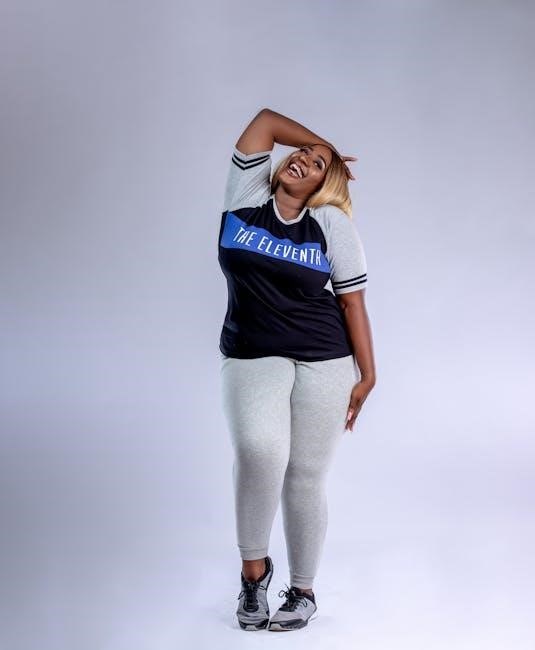
Size charts present body versus garment measurements. Interpreting these tables accurately—considering both inches and corresponding sizes—is crucial for finding the perfect fit.
Understanding Body Measurements vs. Garment Measurements
Distinguishing between body and garment measurements is fundamental to successful shirt sizing. Body measurements represent your actual physique – chest‚ waist‚ and shoulders – taken directly on your skin. Garment measurements‚ however‚ describe the finished shirt’s dimensions when laid flat.
Size charts often list body measurements to help you select the corresponding shirt size. A shirt labeled “42” doesn’t mean it measures 42 inches around; it’s designed for someone with a 42-inch chest.
Manufacturers build in ease – extra fabric – for comfort and movement. Therefore‚ always prioritize your body measurements when consulting a size chart for the best fit.
Interpreting Size Tables
Size tables aren’t uniform; careful interpretation is crucial. Most charts present measurements in inches and sometimes centimeters‚ listing chest‚ neck‚ sleeve length‚ and shoulder width. Locate your body measurement within the chart to determine the appropriate shirt size.
Pay attention to whether the chart uses body or garment measurements – this is usually clarified. Some charts offer ranges (e.g.‚ 38-40”)‚ providing flexibility.
If you fall between sizes‚ consider your build and preferred fit; a slimmer fit might warrant sizing down.
Common Sizing Problems & Solutions
Ill-fitting shirts are common! Tightness‚ looseness‚ or incorrect sleeve length can be fixed with alterations‚ size exchanges‚ or choosing different fits.
Shirts That Are Too Tight
A shirt feeling restrictive indicates it’s likely too small. Check for pulling across the chest‚ shoulders‚ or buttons. Limited arm movement is another sign. If the fabric strains when you move‚ size up! Consider that some fabrics have less give than others.
Tightness can also stem from an incorrect fit – a slim fit should be closer to the body‚ but not constricting. If you’ve gained weight‚ or the shirt has been washed and shrunk‚ it may no longer fit properly. Examine the care label before washing!
Shirts That Are Too Loose
Excess fabric and a boxy silhouette suggest a shirt is too large. Look for gaping at the buttons‚ or significant bunching in the waist. Sleeves extending well past your wrist are also indicators. A relaxed fit should offer comfort‚ not appear oversized.
If a shirt feels sloppy or lacks definition‚ consider sizing down. Remember that some styles‚ like relaxed fits‚ are intentionally looser. However‚ even these should maintain some shape and not overwhelm your frame.
Sleeve Length Issues
Proper sleeve length is crucial for a polished look. Ideally‚ sleeves should end at the wrist bone‚ allowing about half an inch of shirt cuff to extend beyond the jacket sleeve. Sleeves that are too short appear awkward‚ while excessively long sleeves look sloppy.
If consistently facing sleeve length problems‚ consider different shirt brands or explore tailored options. Variations in arm length are common‚ and finding the right fit may require some experimentation.

Specialty Shirt Sizing
Different shirt types require unique sizing considerations. Dress shirts‚ t-shirts‚ and polos each have distinct fits and measurement focuses for optimal comfort and style.
Dress Shirt Sizing
Dress shirt sizing prioritizes a tailored fit‚ focusing on neck and sleeve length alongside chest measurements. Unlike casual shirts‚ dress shirts often offer varying sleeve lengths within a size. Neck size is crucial – measure around the base of your neck‚ allowing room for comfort.
Chest measurements determine the shirt’s body‚ while sleeve length impacts overall proportion. Consider your build; slim-fit dress shirts require precise measurements‚ while classic fits offer more leeway. Always check the brand’s specific size chart‚ as variations exist. A well-fitted dress shirt elevates your entire look!
T-Shirt Sizing
T-shirt sizing is generally more relaxed than dress shirt sizing‚ but accuracy still matters for a flattering fit. Primarily‚ focus on chest and length measurements. Chest size dictates width‚ while length determines how the shirt falls on your torso.
T-shirts come in various fits – slim‚ regular‚ and relaxed – each impacting the size you’ll need. Consider the fabric; some materials shrink after washing. Always consult the brand’s size chart‚ as sizing can vary significantly. A properly sized t-shirt is a wardrobe staple!
Polo Shirt Sizing
Polo shirts typically fall between t-shirt and dress shirt sizing‚ offering a more structured fit. Key measurements include chest‚ shoulder‚ and sleeve length‚ though sleeve length is less critical than in dress shirts. Consider the polo’s style; slim-fit polos require more precise sizing.
Pay attention to the collar size‚ ensuring it’s comfortable without being too tight or loose. Brand variations are common‚ so always check the specific size chart. A well-fitted polo shirt elevates casual wear!
Online Shopping & Size Guides
Retailer size charts are essential for online purchases! Reading customer reviews regarding fit can provide valuable insights‚ helping you select the correct size.
Utilizing Retailer Size Charts
Each retailer often has unique sizing specifications‚ so relying on a general size isn’t always accurate. Always prioritize checking the specific size chart provided on the brand’s website before making a purchase.
These charts typically detail body measurements corresponding to their garment sizes. Pay close attention to whether the chart lists garment measurements or body measurements – understanding this distinction is crucial.
Don’t hesitate to compare your measurements against the chart‚ and if you fall between sizes‚ consider opting for the larger size for comfort or checking the return policy.
Reading Customer Reviews
Customer reviews can offer invaluable insights into a shirt’s true fit and sizing accuracy. Many shoppers share their experiences‚ noting whether a garment runs large‚ small‚ or true to size.
Pay attention to reviews from individuals with similar body types to your own. Look for comments specifically addressing the shirt’s cut‚ length‚ and overall fit.
Reviews can highlight potential discrepancies between the retailer’s size chart and the actual product‚ helping you make a more informed decision before purchasing.
Resources for Further Assistance
Need more help? Explore comprehensive online size charts and don’t hesitate to contact customer support for personalized guidance and accurate sizing advice.
Links to Comprehensive Size Charts
Finding reliable size charts is crucial for online shopping success. Several websites offer detailed men’s shirt sizing guides‚ often including measurements for various brands and styles.
Here are a few helpful resources:
- Land’s End Men’s Size Chart
- Real Men Real Style ⎼ Shirt Size Guide
- The Knot ‒ Men’s Shirt Size Chart
Remember to always check the specific chart for the brand you are purchasing from!
Contacting Customer Support
When in doubt‚ reach out! Don’t hesitate to contact a retailer’s customer support team for personalized sizing assistance. They can often provide specific recommendations based on your measurements and the garment’s cut.
Most online stores offer several contact methods‚ including live chat‚ email‚ and phone support. Prepare your chest‚ shoulder‚ and sleeve measurements beforehand to expedite the process.
A quick conversation can save you the hassle of returns and exchanges‚ ensuring a perfect fit!